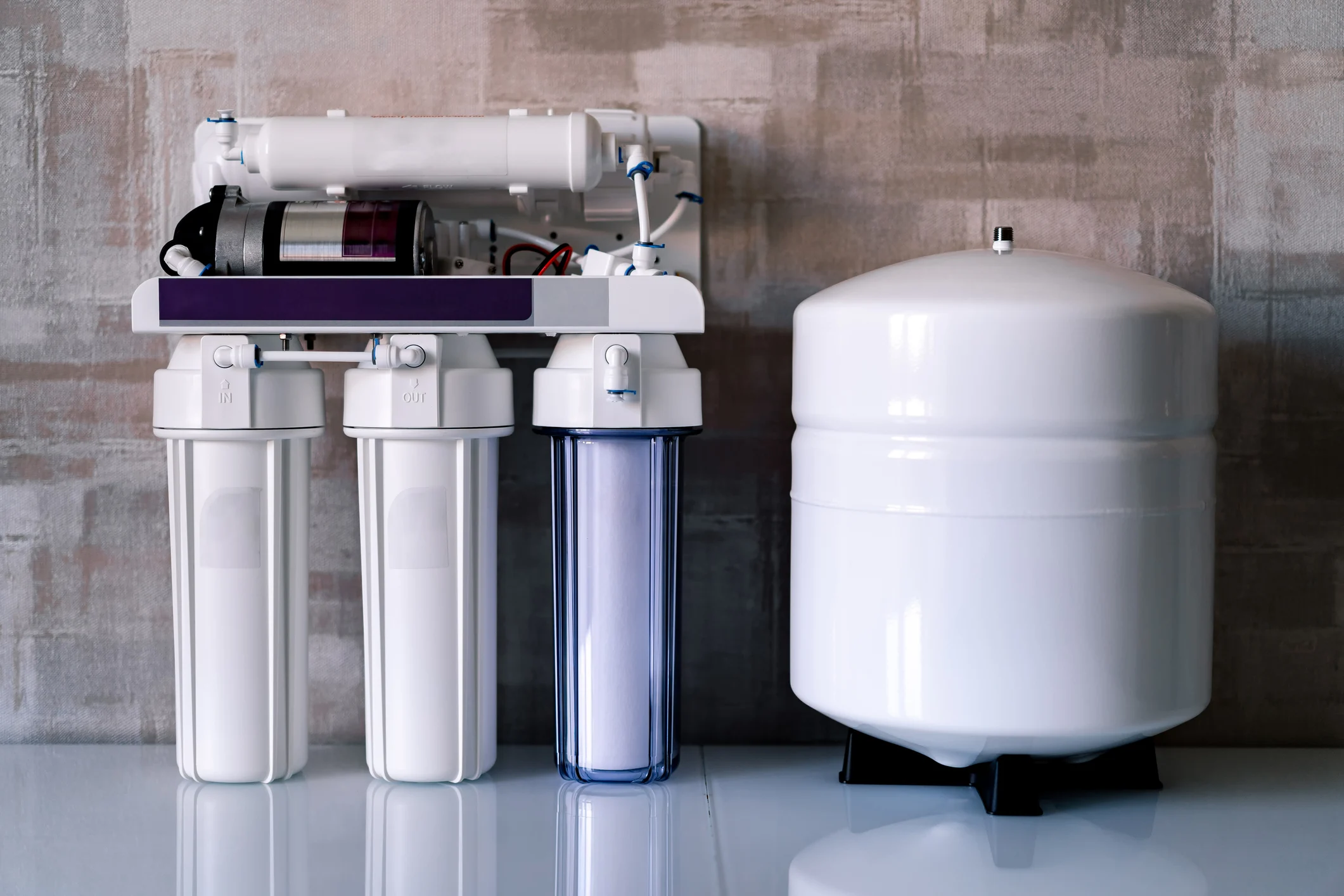
Most of us don’t give much thought to the quiet pipes and valves that bring water into our homes. They’re like background music—only noticed when they go off-key. But just like you don’t want your favourite song to be interrupted by a sudden screech, you definitely don’t want your peaceful evening spoiled by a burst pipe or a flooded basement. Here’s the good news: we’ve reached a point in home technology where water systems aren’t just reactive—they’re intelligent, intuitive, and increasingly automated.
Let’s take a walk through what this new era of smart water systems really looks like—and why it’s about more than just convenience.
A Tap Away from Control
Picture this: You’re halfway across the country visiting family when a cold snap hits your town. Pipes back home? Possibly frozen. But instead of spiraling into worry or scrambling to call a neighbour, you open your phone, tap an app, and shut off your home’s main valve in seconds. That’s the magic of remote water control.
It’s not just a flashy feature—it’s a real safeguard. Whether you’re managing a rental property, have an elderly relative who lives alone, or simply travel often, being able to manage your water system from anywhere adds a layer of assurance that’s hard to put a price on. These systems are designed with user-friendliness in mind, usually integrating into smart home platforms like Alexa, Google Home, or even standalone apps with sleek dashboards. A few taps and you’re in control—no plumber or wrench required.
Related brief: Finding the Right Commercial Water Filtration for a Business That Can’t Afford Disruptions
More Than Alerts: Your Plumbing Now Talks to You
There was a time when the first sign of a leak was a wet spot on your ceiling. Or worse, a cascade of water gushing through a light fixture. But those days are fading fast. Today’s smart systems have sensors so sensitive they can detect a change in pressure or the faintest irregular flow.
Even better, these systems don’t just sound the alarm when something goes wrong—they often give you a heads-up before issues even arise. Thanks to proactive maintenance notifications, your system might ping you to say, “Hey, the flow rate through your main line is decreasing—might want to check that out.” Or, “It’s been 6 months since your last filter replacement, and we’re seeing some mineral build-up starting.”
These nudges might seem small, but they’re game-changers. You’re no longer reacting to problems—you’re staying ahead of them. And that means fewer emergency plumber visits, fewer last-minute trips to the hardware store, and a whole lot less stress.
Saving More Than Water: Your Sanity
Let’s talk peace of mind. Not the fleeting kind that comes after lighting a candle and doing a bit of yoga—but the lasting, deep-breath-in-your-chest kind that comes from knowing your home isn’t a ticking time bomb of potential disasters. That’s what peace of mind water systems offer.
They’re about more than just gadgets. They’re about a lifestyle shift—a sense that your home is looking out for you while you’re out looking after your life. When your system learns your habits (like when you usually water the garden or take your morning shower), it can adapt and optimize usage. If there’s unusual activity—like water running in the middle of the night—it flags it. This level of awareness doesn’t just prevent catastrophe. It empowers you to understand your consumption, cut down on waste, and even lower your bills.
For families, it’s even more powerful. Imagine never having to worry about a child leaving a tap running, or an elderly parent forgetting to shut off the hose. It’s all monitored. Quietly. Reliably.
The Invisible Upgrade
One of the most surprising things about modern smart water systems? You often don’t even notice them. Unlike some flashy tech upgrades that demand attention (looking at you, voice-controlled fridge), these systems hum along in the background, doing their job without fuss.
Installation has become simpler too. Many of the top systems are designed for retrofit, meaning you don’t need to rip apart your plumbing to get started. And because they’re designed with the homeowner in mind, interfaces are typically intuitive—think visuals, not engineering diagrams.
Maintenance? That’s mostly automated now. System health checks, battery status, connectivity tests—all done behind the scenes. It’s like having a silent plumber in the walls, always on call, but never intrusive.
Smarter Homes Start with Smarter Water
We often associate smart homes with flashy gadgets—thermostats that learn our routines, speakers that follow voice commands, even pet feeders on timers. But water? That’s foundational. It’s the thing you don’t realize you rely on so deeply until it goes wrong. That’s why making your water system intelligent isn’t just a tech upgrade. It’s a quality-of-life one.
Think of it this way: the true test of technology isn’t whether it dazzles, but whether it disappears. Whether it becomes so seamlessly integrated into your daily rhythm that you forget it’s even there—until the moment it quietly saves your hardwood floors from a potential flood.
Final Thoughts: It’s Not Just for “Smart Homes”—It’s for Smart People
You don’t have to live in a Silicon Valley mansion or be glued to a tech blog to appreciate the value of a smarter water system. This is for the dad who’s tired of surprise plumbing bills. For the mom who juggles kids and work and can’t afford one more thing to go wrong. For the retired couple who want to age in place, safely and confidently. And yes, for the tech-savvy Millennial who tracks everything—from sleep to steps to smart shower settings.
It’s an upgrade that pays for itself—not just in water savings, but in time, mental bandwidth, and sheer peace of mind.
So, the next time you’re thinking about home improvements, skip the granite countertops or smart lightbulbs for a moment. Ask yourself: What’s really protecting the heart of your home? What’s silently guarding your walls, your floors, and your family’s comfort?
It might just be time to let your plumbing catch up with the rest of your smart home—and finally enjoy the quiet confidence that comes with having water systems that think ahead.