If you’ve ever dealt with flaky skin, dull laundry, or a shower that leaves you feeling more dry than refreshed, you might be pointing fingers in all the wrong directions. The culprit? Hard water. It’s one of those invisible nuisances that slowly creeps into your daily life, leaving behind scale on your faucets, filmy residue on your dishes, and frustration in your cleaning routine. But there’s a fix—one that doesn’t require constant elbow grease or replacing appliances every few years. It starts with choosing the right water softener.
And no, it’s not just a plumber’s upsell. It’s a home upgrade that pays for itself quietly, through improved comfort and fewer repair bills.
The Real Trouble With Hard Water
Let’s paint a picture. You step into the shower, lather up your favorite shampoo, and find it doesn’t foam like it used to. You blame the product—maybe it’s expired or just not “clean” enough. But the truth is, minerals like calcium and magnesium in your water are preventing it from doing its job. These minerals don’t just affect how products work—they build up in your pipes, on your skin, and inside your washing machine.
This is where a water softener becomes a total game-changer. And while there are many options out there, one thing that really matters is having a certified softener installation. It’s not just about slapping a system in your basement. It’s about ensuring the unit is properly calibrated to your specific water profile, home size, and usage. Certified installers take into account every faucet, appliance, and even future plumbing upgrades—so the softener works efficiently without overdoing it or leaving gaps in coverage.
Related brief: Why Cleaner Water Can Make Your Home Feel Healthier Every Day
Breaking Down the Options: Not All Softeners Are Built the Same
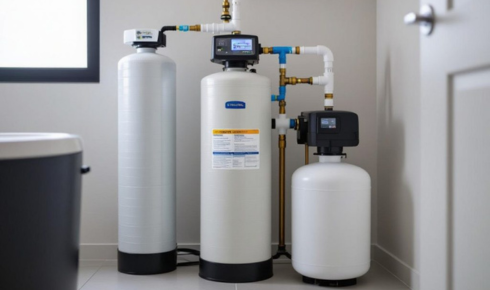
When most folks think of water softeners, they imagine a bulky tank tucked away in the garage—maybe even an eyesore. But modern systems are smarter and more streamlined than ever. Take, for example, the split tank softener. It’s designed to separate the resin tank (which softens the water) from the brine tank (where the salt is stored), making maintenance easier and extending the system’s lifespan.
The real win here? You can refill the salt without disturbing the entire setup, and there’s usually less salt bridging and clumping over time. For busy homeowners who want functionality without fuss, this system offers just the right balance.
Beyond convenience, split tank setups are also more efficient in terms of regeneration cycles. That means you’re not flushing money down the drain with excessive water use every time the system refreshes itself.
How Softeners Work Their Magic
Let’s get a little geeky for a second. At the heart of most softeners is a process called ion exchange. It sounds complicated, but it’s beautifully simple. Hard water flows through a tank filled with resin beads, which are loaded with sodium ions. As the water moves through, the resin grabs onto calcium and magnesium ions and swaps them out with sodium.
Voila—soft water.
An ion exchange softener is the most common and proven method for softening water in both residential and commercial settings. It’s reliable, relatively low maintenance, and—when maintained properly—can last over a decade.
What makes this approach so popular is its effectiveness. Unlike “salt-free” systems that simply condition water (and often don’t work well in very hard water areas), ion exchange systems actually remove the problematic minerals. The result is immediately noticeable—shiny faucets, softer towels, and soap that finally lathers like it should.
The Ripple Effects of Softer Water
Here’s the thing: people often underestimate how much hard water costs them over time. It’s not just about limescale in your kettle or chalky residue on your dishes. It’s about clogged pipes, busted heaters, and appliances that die before their time.
Switching to a softener reduces energy bills, cuts down on detergent use, and even prolongs the life of your clothes. Plus, if you’ve ever struggled with dry skin or brittle hair, soft water can be a subtle (but very real) improvement.
Add to that the environmental bonus of using fewer cleaning products, and you’re not just doing your home a favor—you’re being kinder to the planet too.
A Few Things to Keep in Mind
Before rushing out to buy the first softener on sale, it pays to get your water tested. Your region’s hardness level, plus whether you’re on city water or well water, can dramatically change what kind of system you need.
Also, ask your installer about maintenance schedules. Even the best system needs a little attention now and then. Regularly checking salt levels, replacing filters, and occasionally cleaning out the brine tank will keep things running like clockwork.
And whatever you do, don’t go the DIY route for a major install unless you really know what you’re doing. A certified softener installation isn’t just a checkbox—it ensures your home’s water infrastructure works harmoniously with the new system.
The Final Pour
There’s a quiet joy in soft water. You don’t notice it every moment, but you feel it in your shower, see it in your laundry, and appreciate it every time your dishwasher actually cleans the dishes. It’s one of those upgrades that doesn’t flash or boast—but delivers daily.
Whether you’re building a new home, upgrading an old one, or just tired of scrubbing lime off your sink, a well-chosen, properly installed softener is a long-term gift to yourself (and your plumbing).