Most people think of home improvement in visible terms — fresh paint, new flooring, stylish lighting. Those upgrades are easy to appreciate because you can see them instantly. But the improvements that truly change how a home feels often happen where nobody looks.
Behind walls. Inside pipes. Floating quietly in the air.
It’s a bit ironic, really. The things we rarely notice — the quality of the water we use and the air we breathe — influence our comfort far more than most decorative upgrades ever could. And once homeowners begin paying attention to these hidden factors, they often realize how much of daily well-being depends on them.
When Small Water Issues Become Daily Frustrations
Water problems rarely announce themselves dramatically. Instead, they creep in slowly. You might notice soap not lathering well, dishes coming out of the dishwasher with spots, or a faint metallic taste in drinking water.
At first, it’s easy to blame detergent or assume it’s just temporary. But over time, these small annoyances can signal deeper infrastructure issues — aging pipes, mineral buildup, or inefficient distribution systems.
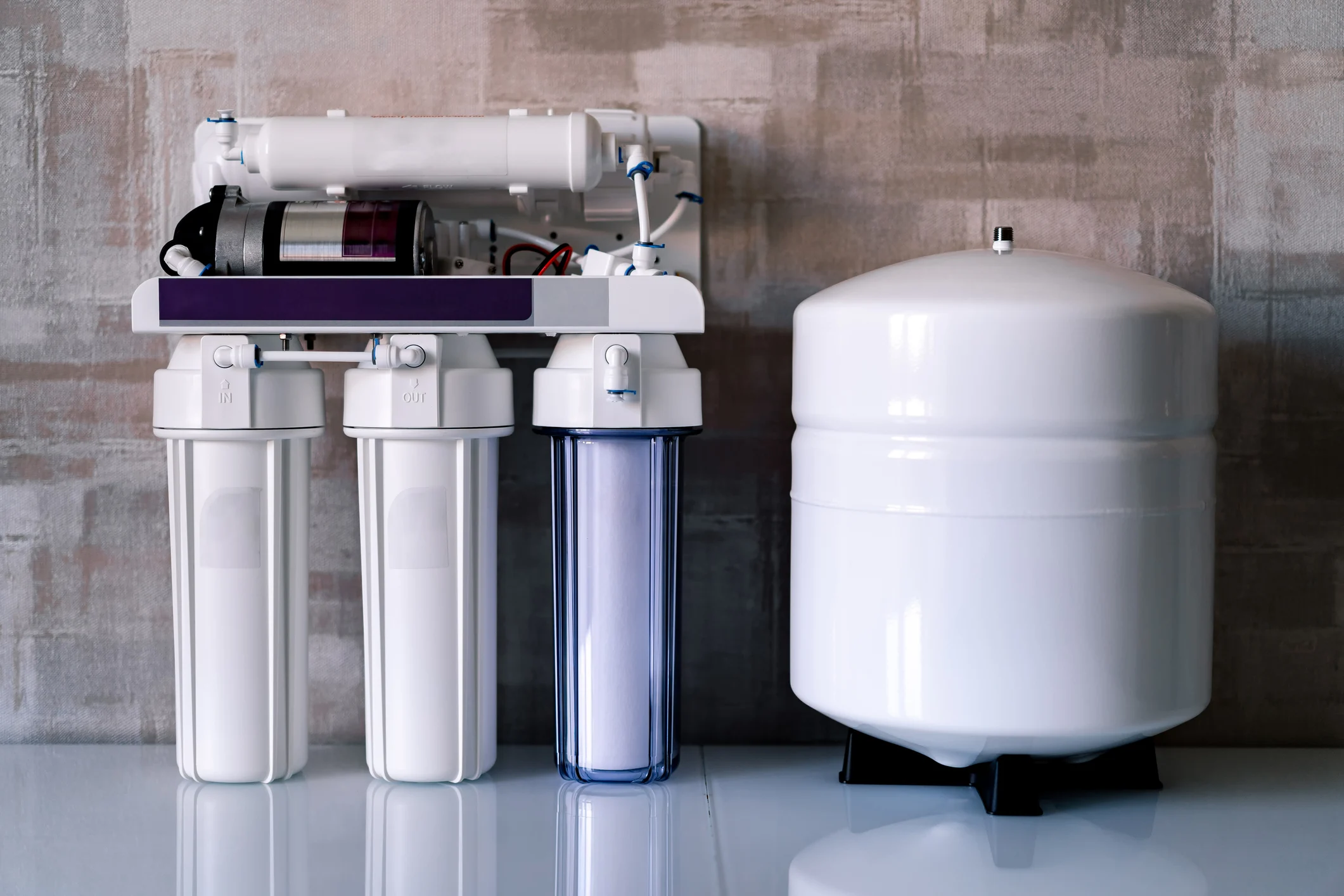
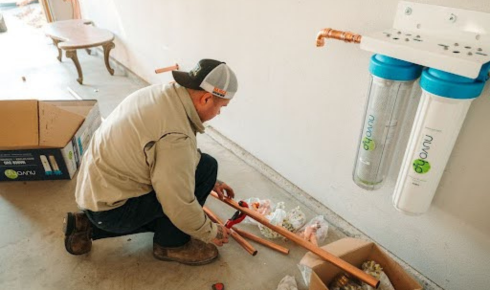
That’s why many homeowners eventually explore plumbing upgrades. Modern plumbing improvements aren’t just about fixing leaks; they focus on improving water flow, reducing contamination risks, and enhancing overall efficiency.
Related brief: Finding the Right Commercial Water Filtration for a Business That Can’t Afford Disruptions
New piping materials can prevent corrosion, smart leak detection systems can catch problems early, and optimized layouts ensure consistent water pressure throughout the house. These changes may remain invisible, but they create a noticeable difference in everyday convenience.
And perhaps most importantly, they reduce the stress that comes from worrying about hidden problems.
The Everyday Impact of Hard Water
One of the most common water challenges households face is hard water. It’s not dangerous, but it can be frustrating. Mineral-rich water leaves residue on fixtures, shortens appliance lifespan, and often causes skin dryness.
Many people don’t realize just how much hard water affects daily life until they experience the difference after installing water softeners.
Suddenly, soap rinses cleanly. Towels feel softer. Shower glass stays clearer. Even laundry seems brighter and more comfortable. Over time, softened water can also protect expensive appliances like water heaters and washing machines from mineral damage.
The shift often feels subtle at first — then surprisingly transformative. It’s one of those improvements that quietly enhances routines without demanding attention.
And once you get used to softened water, going back feels almost impossible.
The Invisible Factor: Air Quality Inside the Home
While water quality often gets attention, indoor air quality tends to remain overlooked. Yet it plays an equally important role in health and comfort.
Modern homes are designed to be airtight for energy efficiency. While this helps control temperature, it can trap dust, allergens, and airborne pollutants inside. Over time, these particles can affect sleep quality, trigger allergies, and even influence mood and energy levels.
This is where air purifiers become valuable tools. They remove microscopic contaminants, creating a cleaner breathing environment. Many homeowners report feeling noticeable changes within days — reduced allergy symptoms, better sleep, and an overall sense of freshness in their living spaces.
Unlike visible home upgrades, cleaner air doesn’t attract attention. Instead, it quietly improves how a home feels to live in.
And sometimes, that subtle improvement matters the most.
The Emotional Comfort of a Healthy Environment
There’s a deeper, emotional side to improving air and water quality that people rarely discuss.
It’s about peace of mind.
Knowing that your water is safe to drink. Knowing that your indoor air won’t trigger allergies. Knowing that hidden infrastructure isn’t quietly deteriorating behind the walls.
These factors reduce everyday stress in ways we don’t always recognize. They create a sense of stability and trust in the home environment.
And in today’s fast-paced world, that sense of calm can be incredibly valuable.
Why Prevention Matters More Than Repair
One common mistake homeowners make is waiting until problems become obvious before addressing them. Unfortunately, water and air quality issues often develop gradually, making early detection difficult.
Preventive upgrades — regular inspections, filtration systems, and infrastructure improvements — can save significant time and expense in the long run.
Think of it like maintaining your health. It’s easier to prevent problems than to fix them later.
By investing in proactive solutions, homeowners create an environment that supports well-being consistently, rather than reacting to crises.
Small Changes That Make a Big Difference
Improving a home’s internal environment doesn’t require massive renovations. Often, incremental changes deliver meaningful results.
Replacing outdated pipes, installing filtration systems, maintaining HVAC equipment, and monitoring indoor conditions can collectively transform how a home functions.
Over time, these small improvements create a noticeable shift — fewer maintenance issues, greater comfort, and a healthier living space overall.
Many homeowners who take these steps say the same thing: they didn’t realize how much their environment affected them until they improved it.
And once they experienced the difference, they never wanted to go back.
A Thoughtful Ending: Comfort Beyond What We Can See
At its core, a home should be a place of comfort and security. While visual upgrades can make spaces beautiful, true well-being comes from the unseen elements working quietly in the background.