There’s a small pause most of us take before drinking tap water. It’s subtle — almost unconscious. A quick sniff. A tiny taste test. Maybe a glance at the glass to check for cloudiness.
We trust our municipal systems. We understand that regulations exist. But trust doesn’t always mean satisfaction.
Over time, people have started asking a simple question: If water can be made safer and taste better, why not take that extra step?
It’s not about paranoia. It’s about refinement. And modern filtration has quietly evolved into something far more sophisticated than the bulky units of the past.
The Unseen Elements in Water
Water travels a long path before it reaches your home. Along the way, it can pick up minerals from natural rock formations, residues from aging pipes, and trace substances that linger in the supply system.
Some of these are harmless. Others fall within “acceptable” limits but still raise eyebrows.
That’s why heavy metals removal has become a growing priority in residential filtration systems. Metals like lead, arsenic, and mercury can enter water through corroded plumbing or environmental exposure. While regulated, even low levels make many homeowners uneasy.
Advanced filtration technologies — particularly those using specialized membranes or high-grade carbon — are designed to reduce these substances significantly.
Related brief: Why Quality Water Treatment Parts Matter More Than Most People Realize
And when you know your system is targeting those risks directly, there’s a different kind of comfort in each sip.
It’s Not Just About Safety — It’s About Flavor
Safety is foundational, of course. But taste often drives decision-making more than we admit.
Water that carries a chlorine aftertaste or metallic hint can subtly affect everything it touches — from morning coffee to evening pasta sauce.
That’s where improved taste becomes a real benefit, not just a marketing phrase.
Activated carbon filters are particularly effective at reducing chlorine and organic compounds that influence flavor. Reverse osmosis systems can strip away dissolved solids that create a heavy or bitter mouthfeel.
The result isn’t flashy. It’s clean, neutral water that blends seamlessly into food and drink without competing for attention.
When water tastes better, you naturally drink more of it. It’s a simple behavioral shift with surprisingly positive ripple effects.
What Makes Modern Systems Different?
If you’re picturing a single filter cartridge doing all the work, think again.
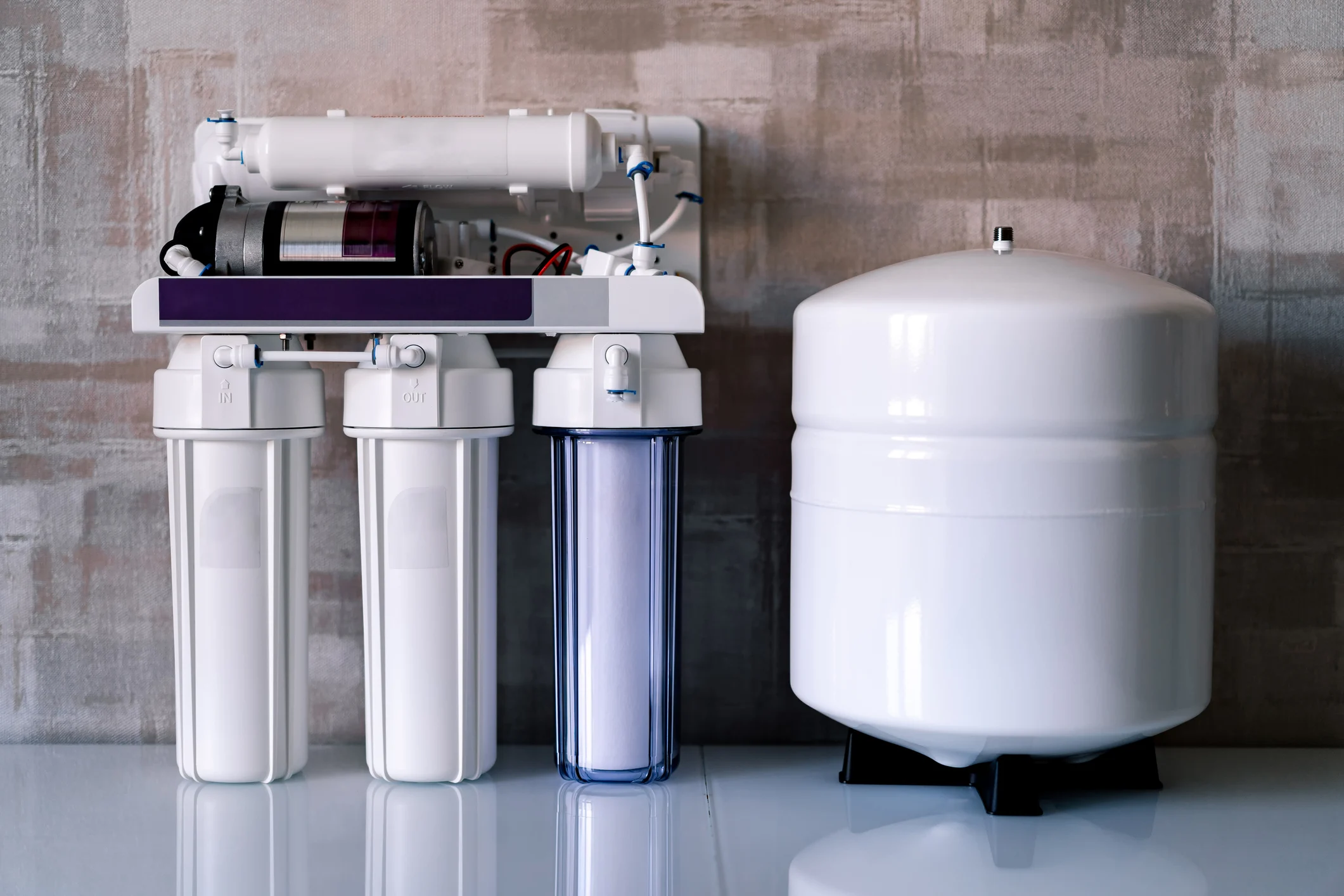
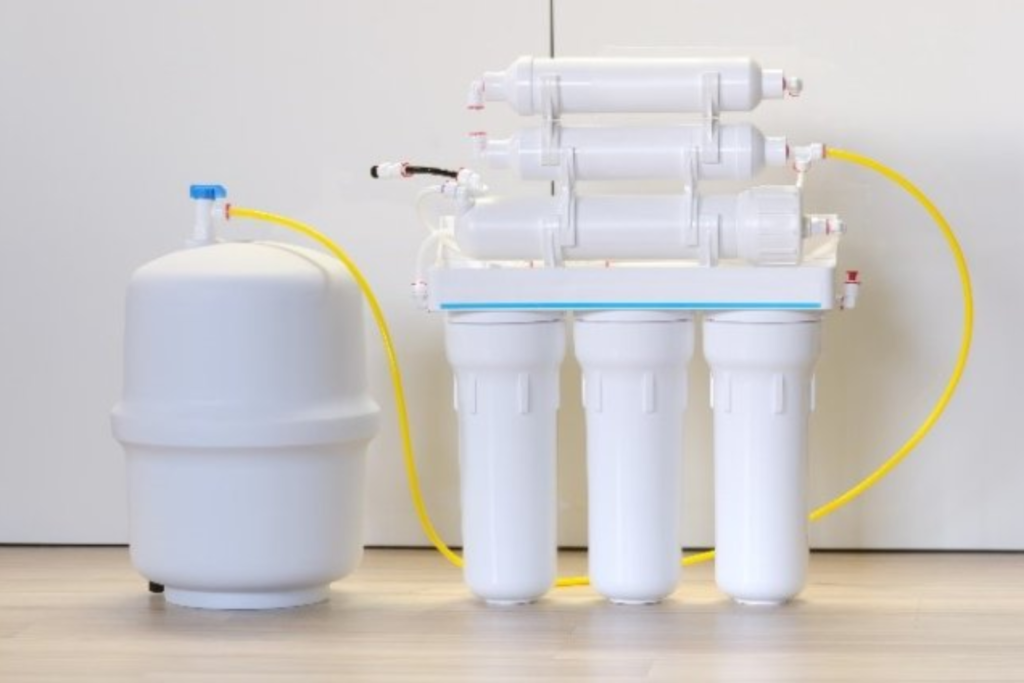
Today’s filtration systems often rely on layered processes — each stage addressing a specific category of impurities. This kind of superior filtration isn’t about excess; it’s about precision.
A sediment filter may capture visible particles. A carbon stage reduces taste and odor concerns. A membrane stage handles dissolved solids. Sometimes a remineralization step follows to balance flavor.
Each layer complements the next.
Instead of overwhelming a single component, contaminants are removed progressively. Efficiency improves. Maintenance becomes more predictable.
It’s thoughtful engineering rather than brute force.
Maintenance: The Part People Forget
Even the best system can’t function indefinitely without attention.
Filters clog. Membranes age. Performance gradually declines if replacement schedules are ignored.
The good news? Modern systems are designed with simplicity in mind. Cartridges are often quick to swap out. Indicator lights or timers remind you when service is due.
Maintenance doesn’t need to feel burdensome. It just needs to be consistent.
Skipping it might not cause immediate issues — but gradual decline can creep in unnoticed.
The Emotional Side of Clean Water
There’s something intangible about trusting your tap.
You don’t hesitate before filling a glass for a guest. You cook without second-guessing. You refill reusable bottles confidently instead of reaching for plastic.
Water becomes part of your routine again, not a quiet source of doubt.
It’s a small shift, but meaningful.
Is It Worth the Investment?
Filtration systems vary widely in cost. From under-sink units to whole-house setups, the options can feel overwhelming.
But evaluating value requires looking beyond price tags.
Consider how often you purchase bottled water. How much you spend replacing appliances affected by scale or mineral buildup. The potential long-term health implications of trace contaminants.
Over time, those factors add context to the initial investment.
And sometimes, the peace of mind alone justifies it.
Avoiding Overcomplication
Not every home requires the most advanced system available.
Start with testing. Understand your water profile. Identify specific concerns — whether they involve taste, metals, sediment, or something else.
Targeted solutions outperform guesswork every time.
Filtration should align with need, not fear.
Final Thoughts
Water flows quietly through our lives. It hydrates us, nourishes us, and supports nearly every daily activity.
Improving it doesn’t require dramatic change. It requires thoughtful adjustment.
Through heavy metals removal, improved taste, and superior filtration technologies, modern systems offer a refined approach to something we use constantly.
And when your water feels clean, neutral, and reliable, you stop thinking about it altogether.
Sometimes, that quiet confidence is the greatest upgrade of all.