ion exchange technology
There’s something oddly satisfying about a good shower. Not just the temperature or the pressure—but the way the water feels on your skin. Sometimes it’s smooth and comforting. Other times… not so much. A little harsh, a bit stubborn, like it doesn’t quite rinse away.
For years, I thought that was just normal. Water is water, right? Turns out, not really.
What we call “hard” or “soft” water has less to do with how it looks and more to do with what’s dissolved inside it. And once you understand that, a lot of those everyday annoyances suddenly start making sense.
What’s Really Going On Inside Your Water
Most of the time, hard water comes loaded with minerals—mainly calcium and magnesium. These aren’t harmful in small amounts, but they do change how water behaves.
Soap doesn’t lather properly. Surfaces collect that chalky residue. Even your washing machine seems to struggle a bit more than it should.
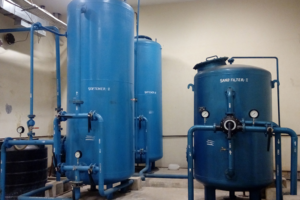
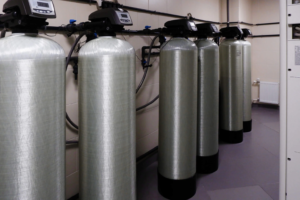
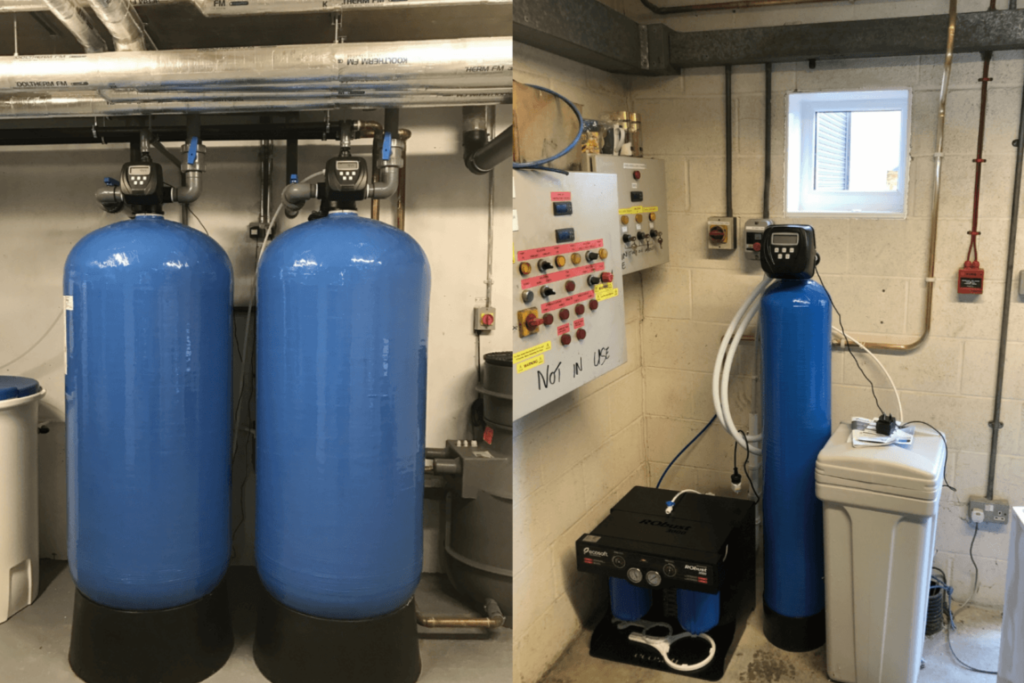
Behind the scenes, many softening systems rely on ion exchange technology to deal with this. It sounds technical—and it is, to some extent—but the basic idea is surprisingly simple. The system swaps out those hardness minerals for something less disruptive, usually sodium or potassium.
You don’t see it happening. You don’t hear it. But the effect? It shows up in the way your water starts behaving differently almost overnight.
Why Softening Feels Like an Upgrade You Didn’t Expect
Once the mineral content drops, everything starts to shift.
Soap begins to foam the way it’s supposed to. Your skin doesn’t feel as dry after a shower. Even your hair feels lighter, easier to manage—less of that dull, weighed-down feeling.
This is where efficient softening really makes a difference. It’s not just about removing minerals—it’s about restoring balance to how water interacts with everything in your home.
And the interesting part? It’s not a flashy change. There’s no dramatic “before and after” moment. It’s more like things quietly start working better.
You notice it in passing. Then, gradually, it becomes your new normal.
The Hidden Wear and Tear You Don’t See
While most people focus on how water feels, there’s another side to the story—what it’s doing behind the scenes.
Hard water doesn’t just leave marks on your taps. It builds up inside pipes, settles in your water heater, and slowly coats the inner workings of your appliances.
Over time, this buildup reduces efficiency. Heating elements take longer to do their job. Water flow becomes slightly restricted. Machines work harder, often without you realizing it.
That’s where appliance protection becomes more than just a bonus—it’s a long-term benefit.
By reducing scale buildup, you’re not just improving performance today. You’re extending the lifespan of things you rely on every day. And honestly, that’s something most of us don’t think about until something breaks.
The Small Frustrations That Start to Disappear
Here’s something I didn’t expect when I first learned about water softening—the number of small annoyances it quietly removes.
Cleaning becomes easier. Those stubborn white spots on glass and steel surfaces? They don’t show up as often. Detergents seem to work better, so you end up using less.
Even laundry feels different. Clothes come out softer, colors seem to last longer, and there’s less of that stiff texture that hard water can leave behind.
These aren’t life-changing differences on their own. But together, they add up in a way that’s hard to ignore once you’ve experienced it.
Choosing What Actually Works for Your Home
If you’re considering making the switch, it’s worth remembering that not every home needs the same solution.
Water hardness varies from place to place, sometimes even within the same neighborhood. That means the right system for you depends on your specific conditions—your water source, your usage, your household size.
It’s easy to get caught up in technical details or feel like you need the most advanced system available. But in reality, a well-matched setup—one that fits your actual needs—is far more effective than something oversized or overly complicated.
Sometimes, simpler really is better.
A Quiet Shift You’ll Appreciate Over Time
What’s fascinating about better water is how quickly you stop thinking about it.
At first, you notice everything. The smoother feel, the cleaner surfaces, the way your routine seems just a bit easier. But after a while, it fades into the background again.
Only this time, it’s improved.
And that’s kind of the point. Water should work for you without demanding attention. It should support your daily life, not complicate it.
In the End, It’s About Everyday Comfort
We spend so much time focusing on big upgrades—new furniture, fresh paint, the latest gadgets. But sometimes, it’s the quiet changes that make the biggest difference.
Softening your water isn’t about luxury in the traditional sense. It’s about comfort. Consistency. Reducing friction in the little things you do every day.
And once you experience that shift, even in small ways, it’s hard to go back.
Because when something as basic as water starts working the way it should, everything else feels just a little bit better.