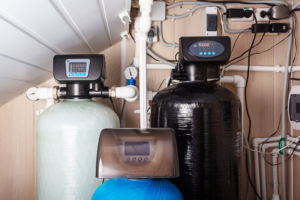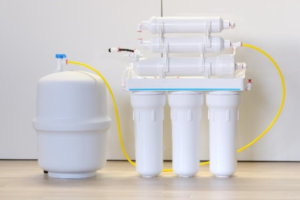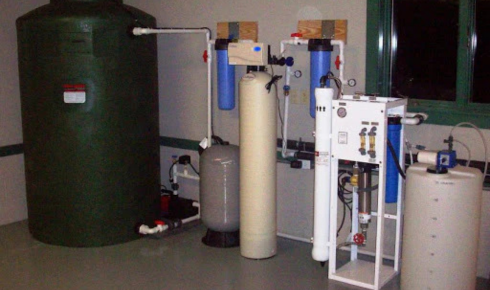
whole house ro system
Water is one of those things you don’t think about until it starts bothering you. Maybe the taste is off. Maybe the kettle builds scale faster than it should. Or maybe your skin feels dry no matter what soap you use. These aren’t dramatic problems, but they pile up quietly, day after day. And eventually, many homeowners reach a point where a simple under‑sink filter just doesn’t feel like enough anymore.
That’s usually when the idea of filtering all the water in the house comes into focus. Not just what you drink, but what you shower in, wash clothes with, cook pasta in, and give to your pets. That’s the real promise behind whole home reverse osmosis systems—not perfection, but consistency.
The Shift From “Good Enough” to “Why Not Better?”
Most people start small. A pitcher in the fridge. A faucet‑mounted filter. Maybe a reverse osmosis unit under the kitchen sink. And for a while, that feels like progress. Drinking water improves, coffee tastes cleaner, ice cubes look clearer.
But then you step into the shower and smell chlorine. Or you clean the bathroom and notice that stubborn white residue hasn’t gone anywhere. Suddenly it’s obvious: the rest of the house is still running on untreated water.
This is where homeowners begin looking beyond point‑of‑use filters and toward a whole house ro system. It’s less about chasing “perfect” water and more about wanting the same quality everywhere, without having to think about it.
What Changes When the Whole House Is Filtered
The biggest surprise for most people isn’t some dramatic, overnight transformation. It’s the subtle changes that add up.
Soap lathers more easily. Laundry feels softer without extra detergent. Glassware dries without streaks. Hair feels cleaner, not coated. Even appliances seem to run smoother over time because mineral buildup is no longer quietly damaging them from the inside.
When every tap delivers the same clean water, you stop making mental adjustments. You don’t avoid drinking from certain faucets. You don’t second‑guess what you’re cooking with. Water just… works.
That’s the quiet power of whole house ro living. It removes friction from everyday routines.
How Reverse Osmosis Fits a Whole Home
Reverse osmosis is often described as one of the most effective filtration methods available. It works by forcing water through a semi‑permeable membrane that removes dissolved solids, heavy metals, chlorine, and a wide range of contaminants.
In a whole‑house setup, this process happens at the point where water enters the home. From there, treated water is distributed everywhere—kitchen, bathrooms, laundry, even outdoor taps in some systems.
Modern systems are far more refined than they used to be. They’re designed to balance filtration efficiency with water usage, pressure, and long‑term reliability. When properly sized and installed, they feel less like a complex system and more like a silent upgrade.
Is a Whole‑House System Always Necessary?
Honestly? No. Not every home needs it.
If your local water supply is already very clean, or if your main concern is strictly drinking water, a smaller solution might be enough. Whole‑house RO tends to make the most sense in areas with high total dissolved solids, agricultural runoff, aging infrastructure, or naturally mineral‑heavy water.
It’s also a good fit for households with sensitive skin, people who cook frequently at home, or homeowners planning to stay put long‑term. For them, the benefits compound over time rather than wearing off.
Maintenance: Less Intimidating Than It Sounds
One of the biggest hesitations people have is maintenance. The words “reverse osmosis” can sound technical, even fragile. In reality, most modern systems are built for real households, not labs.
Filters are replaced on a schedule—often annually or longer depending on usage and water quality. Many homeowners choose professional servicing, while others handle simple replacements themselves after the first year.
The key is good design and proper installation. A system that’s correctly sized for your home and water conditions tends to run quietly and reliably, without constant attention.
The Cost Conversation, Without the Sales Spin
There’s no avoiding it: whole‑house RO systems cost more upfront than smaller filters. But focusing only on installation price misses the broader picture.
Cleaner water often means fewer plumbing issues, longer appliance life, and reduced spending on bottled water, descaling products, and extra detergents. Over time, those savings offset more than people expect.
More importantly, there’s the intangible value—peace of mind. Knowing what’s not in your water changes how you feel about your home in ways that don’t show up on a spreadsheet.
Who Ends Up Happiest With Whole‑House RO?
Patterns tend to repeat. The most satisfied owners are usually people who:
- Have already tried smaller filtration options
- Care about long‑term home systems, not quick fixes
- Value consistency over convenience
- Plan to stay in their home for several years
For them, whole‑house RO isn’t an impulse decision. It’s a considered one.
A Quiet Upgrade That Touches Everything
Whole‑house reverse osmosis isn’t flashy. It doesn’t come with dramatic claims or instant bragging rights. What it offers instead is something far more practical: reliable, clean water everywhere you need it, without thinking about it.
And once water stops being something you worry about—even subconsciously—you realize how much space that concern was taking up.