kitchen projects
Let’s be honest—designing a home can be a lot. Not just logistically (hello, decision fatigue), but emotionally too. You’re not just picking tiles or measuring window treatments—you’re building your everyday backdrop. The place where you’ll sip coffee half-awake, pace during a tough phone call, crash after a long day, or host that impromptu dinner for friends who stay way too late.
And while Pinterest boards and pretty Instagram photos are fun to scroll through, what really matters at the end of the day is how the space feels when you walk into it. Does it support your routine? Reflect your personality? Help you breathe a little easier?
That’s the kind of design we’re talking about here. Not just aesthetics—but emotion. And to get there, you’ve got to dive into each space individually, understanding what it needs to do and who it needs to serve.
The Heart of the Home: Kitchens That Work and Wow
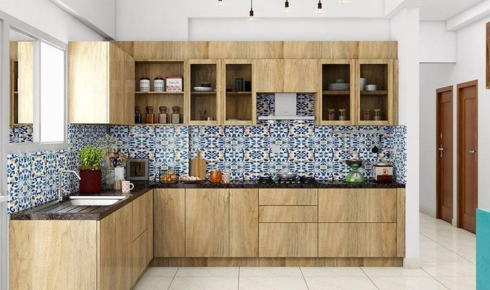
There’s a reason people gravitate toward kitchens at every party—it’s the beating heart of most homes. From rushed weekday breakfasts to wine-soaked Friday nights, the kitchen wears a lot of hats. So when you’re tackling kitchen projects, it’s not just about creating a “pretty space”—it’s about designing one that performs.
You want to think about how you move through the space. Where does the prep happen? Is there enough room between the island and the stove? Do you need a double oven for the holidays or just something that won’t burn cookies on a Tuesday?
Lighting is another one people overlook—layered lighting can change everything. You want task lighting for cooking, ambient lighting for dinners, maybe even a bit of under-cabinet glow for that midnight snack run.
And storage. Please, for the love of calm mornings, plan your storage well. Deep drawers. Pull-out spice racks. A spot for the blender that doesn’t take up counter space. Good kitchen design blends utility and beauty so effortlessly you stop noticing how well it’s working—until you spend time in one that doesn’t.
Spa Vibes or Total Function? Maybe Both.
Bathrooms are funny spaces. In some homes, they’re almost treated like an afterthought. But a well-designed bathroom can absolutely elevate your day. It’s where you start and end every single one, after all.
When you’re diving into bathroom projects, think beyond the tile. Yes, that herringbone pattern looks lovely, but how does the space feel? Is it peaceful or chaotic? Cramped or open? Can more natural light come in? Could storage be hidden behind mirrors? Is there room to towel off without playing Twister?
And don’t underestimate the little luxuries: heated floors, a soft-close toilet lid, or a rain showerhead that actually delivers. These touches might not show up in the listing description, but they’ll show up in your everyday life—every single time you use the space.
Bedrooms: The Most Underrated Room in the House
If kitchens are where life happens out loud, bedrooms are where it softens. They’re where you decompress, recharge, and just be. Yet, so many people treat bedroom design as a final step—as if it doesn’t matter as much. But great bedroom design can improve your sleep, reduce your stress, and make your mornings start a little gentler.
Think soft textures. Wall colors that calm rather than stimulate. Lighting you can dim gradually at night. Maybe blackout curtains. A chair that holds a moment of quiet before the day begins. Nightstands with actual usable storage. And don’t even get us started on closet flow—because wrestling with hangers in the morning is not the kind of chaos anyone needs.
Even the positioning of the bed matters. Is it facing the window? Do you like waking up with the light or sleeping in on weekends? The answers to those questions should guide how the room comes together.
It doesn’t need to be fancy—it needs to be yours. A room that knows how to catch you when the world gets loud.
No Room Exists in a Vacuum
One of the trickiest parts of home design is making each space feel distinct but still part of the whole. Your kitchen might be bold and full of color, while your bedroom leans minimalist and neutral—and that’s okay. The secret is in the transitions.
What’s the through-line? Maybe it’s warm wood tones that show up throughout. Or the use of matte black hardware. Or a lighting scheme that subtly echoes from room to room. That kind of cohesion doesn’t just “happen”—it’s designed.
And while each project might begin with a single room—kitchen, bath, bedroom—the best homes are the ones that, when you walk through them, tell a continuous story. Yours.
Final Thoughts: Start Where It Matters Most
You don’t have to renovate your whole house in one go. You don’t need an unlimited budget or a magazine-worthy plan. You just need to start—intentionally.
Maybe that means beginning with a kitchen layout that finally makes sense. Or upgrading a bathroom to feel more spa and less slapdash. Or giving yourself the bedroom you’ve been quietly dreaming about for years.
Whatever it is, let it reflect how you really live. Let it make space for joy, rest, connection, and a little bit of everyday magic. That’s what great design does. It doesn’t just decorate—it elevates the way we live.