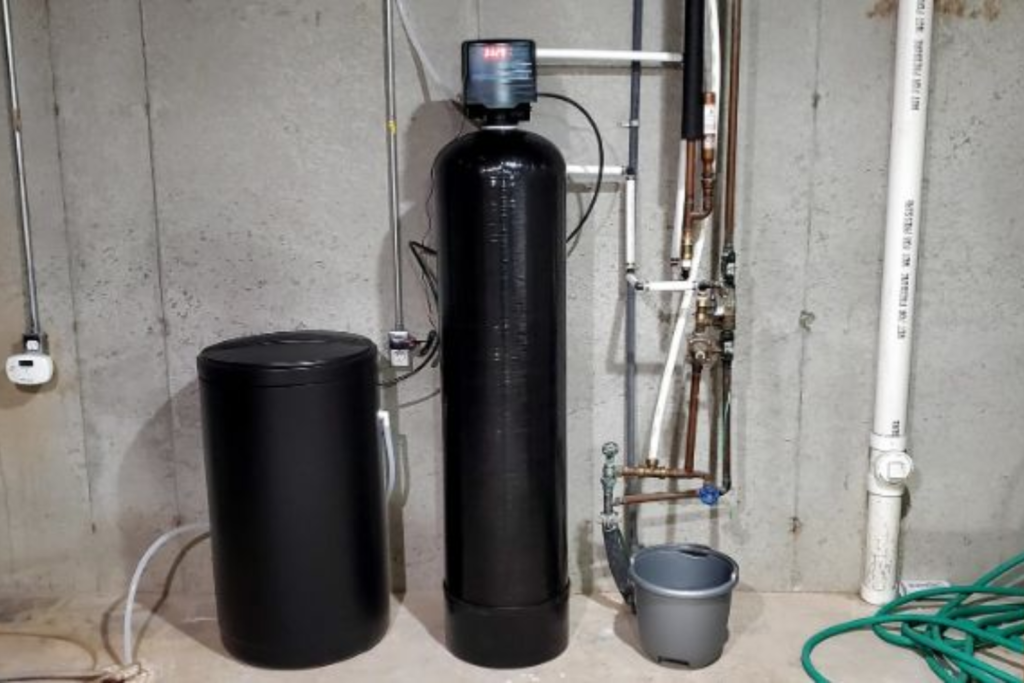
water quality improvement
There’s something quietly reassuring about a glass of water that tastes just right. No strange aftertaste, no faint odor, no cloudy appearance — just clean, refreshing simplicity. It’s the kind of thing you rarely think about when it works well, but you definitely notice when it doesn’t.
Water sits at the center of daily routines in ways we often overlook. It’s in the coffee you sip in the morning, the meals you cook for your family, the showers that wake you up or help you unwind after a long day. Yet despite how essential it is, most people don’t give much thought to its quality until something feels off.
The truth is, improving water quality doesn’t usually involve dramatic changes. Instead, it’s about small adjustments that gradually enhance comfort, health, and peace of mind.
Why Water Quality Is More Than Just Safety
Most municipal water systems meet strict safety standards, which is reassuring. But safety isn’t the only factor that matters.
Water can be technically safe while still carrying minerals, residual disinfectants, or sediments that affect taste and daily usability.
This distinction is important.
Because water quality isn’t just about preventing illness — it’s about enhancing the overall experience of using water in everyday life.
That’s why many homeowners begin exploring ways to improve their water even when it already meets regulatory requirements.
The Role of Taste in Daily Hydration
Taste might seem like a minor detail, but it plays a surprisingly big role in hydration habits.
When water tastes fresh and clean, people naturally drink more of it. This supports better health, reduces reliance on sugary beverages, and encourages healthier routines.
Even small improvements in flavor can make a noticeable difference.
That’s where improved water taste becomes one of the most immediately appreciated benefits of water treatment systems.
Whether it’s removing chlorine odors or reducing mineral aftertaste, better-tasting water often leads to better daily habits.
How Water Quality Affects Everyday Comfort
Beyond drinking, water quality influences many aspects of daily living.
Hard minerals can leave residue on dishes and fixtures. Sediment may clog appliances. Chemical disinfectants can affect skin sensitivity during showers.
These issues aren’t dramatic, but they’re persistent.
Over time, they create small frustrations that add up.
When water quality improves, these everyday annoyances often disappear quietly — making routines feel smoother and more enjoyable.
Understanding the Process of Improving Water
True water quality improvement typically involves multiple treatment methods working together.
Filtration removes particles like sediment and rust. Carbon systems address odors and chemical residues. Softening technologies reduce mineral content.
Each method plays a specific role in enhancing water performance.
The goal isn’t simply purification — it’s optimization.
Treatment systems aim to create water that supports health, protects infrastructure, and improves daily usability.
The Connection Between Water Quality and Health
Clean water supports more than hydration.
It affects cooking safety, hygiene, and overall well-being.
Reducing contaminants and unwanted substances contributes to safer water for households, particularly those with children, elderly individuals, or sensitive health conditions.
Knowing that water is both clean and reliable provides peace of mind.
This psychological benefit is often just as valuable as the physical improvements.
Protecting Home Infrastructure Through Better Water
Water quality doesn’t only affect people — it also impacts the systems within a home.
Mineral buildup can accumulate inside pipes, reducing water flow and increasing energy consumption.
Appliances like water heaters, dishwashers, and washing machines often experience the most impact.
Improving water quality helps extend appliance lifespan, reduce maintenance costs, and enhance overall efficiency.
Over time, these benefits can lead to significant savings.
Environmental Advantages of High-Quality Water
Better water quality also supports environmental sustainability.
When homeowners trust their tap water, they’re less likely to rely on bottled alternatives.
This reduces plastic waste and lowers environmental impact.
Efficient treatment systems can also minimize chemical usage while maintaining high safety standards.
These environmental benefits align with broader efforts toward responsible resource management.
The Emotional Value of Reliable Water
There’s a subtle emotional dimension to water quality that often goes unnoticed.
Knowing that water tastes fresh, feels clean, and performs reliably creates a sense of comfort.
It removes small daily frustrations and builds confidence in something essential.
For families, this reassurance can be particularly meaningful.
Water quality isn’t just about technical specifications — it’s about everyday peace of mind.
Choosing the Right Approach to Water Improvement
Selecting an appropriate water treatment system requires understanding specific household needs.
Factors such as local water composition, household size, and usage patterns influence treatment choices.
Professional water testing often provides valuable insights into water characteristics.
With accurate information, homeowners can choose solutions tailored to their unique conditions.
This personalized approach ensures effective results and long-term satisfaction.
The Quiet Transformation of Better Water
Improving water quality rarely creates dramatic, immediate changes.
Instead, the transformation happens gradually.
Showers feel more refreshing. Coffee tastes better. Cleaning becomes easier.
Over time, these subtle improvements accumulate into a noticeable difference in daily comfort.
Water becomes something you appreciate — not because it demands attention, but because it works effortlessly.
Final Thoughts: The Lasting Impact of Small Improvements
Water may seem simple, but its quality influences nearly every aspect of daily life.
From health and comfort to infrastructure and environmental sustainability, its impact is far-reaching.
By understanding water composition and exploring effective treatment options, homeowners can create environments that support both well-being and efficiency.
Because in the end, better water isn’t just about clarity or safety.
It’s about enhancing the everyday experiences that shape how we live.