eliminate chlorine taste
Water is supposed to be neutral. It shouldn’t demand attention or raise questions. Yet for many people, the first sip from the tap does exactly that. A faint chemical note. A lingering aftertaste. A moment of hesitation before you swallow. These small reactions are easy to ignore, but they’re telling. They’re reminders that water quality isn’t just a technical issue—it’s a sensory and emotional one too.
Over the past few years, more households have started paying attention to what flows from their taps. Not out of fear, but out of curiosity and a growing sense of agency. We’ve learned to read food labels, check air quality, and question what goes into our homes. Water, it turns out, deserves the same thoughtful consideration.
When Taste Becomes the First Red Flag
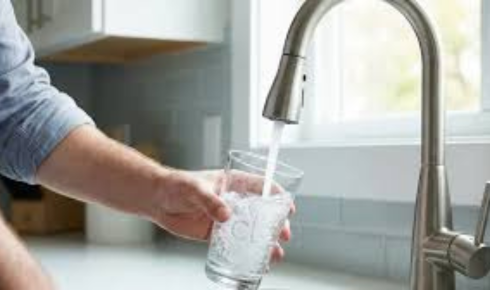
Most people don’t start questioning their water because of a lab report. They start because of taste. Chlorine, commonly used to disinfect municipal water, does an important job—but it can leave behind a sharp, pool-like flavor that makes drinking water feel less inviting.
For some households, the goal is simple: eliminate chlorine taste so water feels refreshing again. When that happens, people often notice they’re drinking more water without thinking about it. Glasses empty faster. Refill trips increase. Hydration becomes effortless instead of intentional.
Taste might seem like a small thing, but it shapes habits. If water tastes good, people choose it more often. If it doesn’t, they reach for bottled alternatives, sugary drinks, or anything else that avoids the tap. Improving taste isn’t cosmetic—it’s foundational.
Safety Is Quiet, But It’s Always There
Beyond taste, there’s the deeper question of safety. Most municipal water systems meet regulatory standards, but those standards don’t always account for every household’s comfort level or health concerns. Aging pipes, local infrastructure issues, and environmental factors can all influence water quality between the treatment plant and your kitchen sink.
This is where the idea of bacteria-free drinking water becomes less abstract and more personal. For families with young children, elderly relatives, or anyone with a compromised immune system, the margin for uncertainty feels smaller. They’re not looking for perfection—they’re looking for confidence.
Water that’s microbiologically safe doesn’t announce itself. There’s no taste difference, no visual cue. But there’s a psychological shift that comes with knowing an extra layer of protection is in place. That quiet assurance often matters more than people expect.
The New Contaminants We Didn’t Grow Up With
One reason water conversations have changed is that the contaminants have changed. We’re no longer just talking about minerals and disinfectants. We’re talking about industrial byproducts, pharmaceuticals, and chemicals that didn’t exist—or weren’t widely discussed—a generation ago.
PFAS, often called “forever chemicals,” have become a particular concern. They’re persistent, difficult to break down, and increasingly detected in water supplies across different regions. Even at low levels, their presence raises questions.
That’s why interest in pfas removal solutions has grown steadily. Not because everyone believes their water is unsafe, but because awareness has increased. People want to understand what’s there and what can be done about it. Knowledge changes expectations, and expectations drive action.
From Reaction to Intention
What’s interesting about today’s water quality movement is how measured it is. This isn’t panic-driven. It’s intentional. Homeowners aren’t reacting to crises—they’re proactively aligning their water with their values.
They want fewer plastic bottles cluttering their recycling bins. They want appliances that last longer. They want to trust the water their kids pour themselves. These motivations aren’t dramatic, but they’re powerful.
And they often lead to a broader realization: water quality affects more than drinking. It influences cooking, bathing, laundry, even how coffee tastes on a sleepy Monday morning. Once you start noticing these connections, it’s hard to stop.
The Ripple Effect of Better Water
Improving water quality tends to create a ripple effect throughout the home. When water tastes better, people drink more of it. When it’s gentler, skin and hair feel more comfortable. When it’s cleaner, appliances and plumbing experience less stress.
These changes don’t arrive with fireworks. They settle in gradually. One day you realize you haven’t bought bottled water in weeks. Another day you notice your kettle isn’t scaling up as quickly. Over time, the house feels easier to maintain.
That ease is often the real payoff. Life is already full of decisions and adjustments. Water shouldn’t be another thing you have to manage actively.
Balancing Trust and Curiosity
It’s important to say this clearly: questioning water quality doesn’t mean distrusting public systems. Municipal water treatment has come a long way, and it plays a crucial role in public health. But trusting a system doesn’t mean ignoring its limits.
Curiosity and trust can coexist. You can appreciate the safety of treated water while still choosing to refine it for your own household. That balance reflects a broader cultural shift toward customization—making shared systems work better for individual needs.
Not Chasing Purity, Just Peace of Mind
One misconception about water treatment is that it’s about achieving some idealized version of purity. In reality, most people are simply looking for peace of mind. They want to know that what they’re drinking aligns with their standards, not just minimum requirements.
That peace of mind shows up in small ways. You stop hesitating before taking a sip. You stop wondering if the water caused the odd taste in dinner. You stop second-guessing whether to fill your reusable bottle from the tap.
Those moments add up.
A Thoughtful Ending
Water doesn’t need to be perfect to be good. But it should feel trustworthy. It should support daily life quietly, without raising doubts or demanding workarounds.
As awareness grows and options expand, more households are choosing to engage with their water rather than ignore it. Not out of fear, but out of respect—for their health, their homes, and the simple act of pouring a glass without thinking twice.
And when water finally returns to the background, tasting clean and feeling safe, that’s when you know you’ve made the right choice.