reverse osmosis
There’s something deeply personal about water. It’s the first thing you reach for in the morning and the last thing you use at night. You cook with it, bathe in it, trust it to clean your dishes, your clothes, your face. Yet despite how constant it is in our lives, we rarely question what’s in it—until something changes.
Maybe the taste turns metallic. Maybe your skin feels dry, no matter how many creams you try. Or maybe you’re just tired of buying bottled water because the stuff from your tap never quite feels… right.
That moment—when you start paying attention to your water—is a turning point. And from there, a whole world of clarity (pun intended) opens up.
When the Basics Don’t Cut It
For years, I used one of those water filter pitchers. You know the type—clunky, slow, sits in the fridge like it owns the place. It was better than nothing, sure, but it didn’t solve much. The taste still had a weird afterbite, and I couldn’t shake the feeling that it wasn’t filtering everything it claimed to.
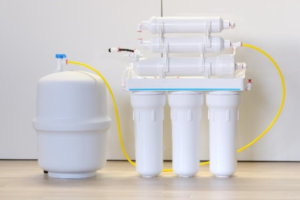
That’s when I learned about reverse osmosis. It sounded high-tech (and a little intimidating), but once I actually dug into what it did—pushing water through a semi-permeable membrane to strip out nearly all contaminants—I was sold. Clean-tasting water, free from chlorine, lead, and countless invisible nasties? Yes, please.
And the difference? Night and day. Coffee tasted cleaner. My skin felt better. Even my plants seemed happier (okay, that might be a stretch, but still). It’s wild what happens when you give water a second chance to show off.
Not All Filters Are Built the Same
Here’s where a lot of folks get tripped up: they assume one filter fits all. That a standard carbon filter is the answer to everything. But depending on your water source, location, and needs, what works for your neighbor might not work for you.
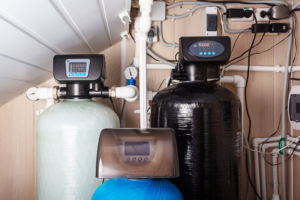
That’s where specialty filtration options come into play. We’re talking iron filters for well water. Arsenic-specific filters in places with known contamination issues. UV filters for bacterial concerns. If you’ve got hard water, a softener might be key. Too much sulfur? That “rotten egg” smell can be handled, too.
It’s like tailoring a suit—you want it made to fit you, not just some generic template. And luckily, today’s water systems are flexible enough to get ultra-specific without getting ultra-complicated.
Who Do You Even Talk To?
That’s the other issue. Once you realize your water could use an upgrade, it’s hard to know where to start. The internet’s full of information (and misinformation), and trying to DIY your way through water chemistry is… well, it’s not for everyone.
This is where good water treatment support changes the game. Having someone local (or at least experienced) walk you through a water test, explain what the results mean, and help you find a solution that makes sense? Priceless.
You don’t want a hard sell. You want honest advice. Someone who listens when you say, “My dishes feel chalky,” or “Why does my tap water smell like a swimming pool?” A proper water professional will treat your concerns like real issues—not just opportunities to make a sale.
The Cost of Doing Nothing
Let’s talk about what happens if you ignore those water quirks.
Hard water eats away at your plumbing. Sediment clogs up your appliances, shortening their lifespan. Chlorine dries out your skin. Contaminants you can’t see? Those are the scariest of all.
Then there’s the cost of bottled water. The annoyance of cloudy ice cubes. The hours you spend scrubbing mineral stains off faucets. The gallons of water you waste waiting for it to “run cold.” All that adds up, month after month, in both time and money.
Fixing your water system might feel like a big step, but often it’s a one-time investment that pays off daily, quietly, in ways you notice every time you turn on the tap.
Real Life, Real Comfort
It’s not just about safety. Or health. Or saving money. It’s also about comfort. There’s something deeply satisfying about water that just feels right. That tastes clean, feels soft, and doesn’t make you question what you’re putting in your body.
You drink more of it. You cook with more confidence. You stop hiding that weird smell from guests. And honestly? It just makes home feel more like home.
Final Sip
Water should be simple. But making it better? That takes a little intention.
Whether you’re exploring reverse osmosis systems, digging into specialty filters, or just want some solid water treatment support without the fluff, know this: you deserve good water. Not just “okay” water. Not “tolerable” water. But good, honest, clean water—every single day.
Don’t wait until the pipes corrode or your appliances revolt. Start with a test. Ask the questions. Make one small step toward water that works for you.
Because when water’s right, everything else flows a little smoother too.