reduce chlorine & lead
There’s a certain hesitation people don’t always talk about. You fill a glass from the tap, hold it for a second, and—almost without thinking—you wonder if it’s really as clean as it looks.
Most of the time, you drink it anyway. Or maybe you don’t. Maybe you’ve switched to bottled water without fully knowing why. It’s not fear exactly… more like a quiet doubt.
And once that doubt shows up, it tends to stick around.
The Everyday Relationship We Have with Water
Water is one of those things we rely on constantly but rarely question deeply. It’s part of everything—your morning tea, your cooking, even the quick sip you take while passing through the kitchen.
But here’s the thing: not all tap water feels the same.
Sometimes it tastes slightly off. Sometimes there’s a faint smell you can’t quite place. Other times, it’s fine—but you still don’t fully trust it.
And that’s where the idea of improving your water starts to feel less like a luxury and more like a practical step.
Why Basic Filters Don’t Always Cut It
If you’ve ever used a simple water filter pitcher, you’ve probably noticed some improvement. The taste might be a bit better, maybe a little smoother.
But often, it doesn’t go far enough.
That’s because water can contain a mix of different elements—chlorine, sediment, trace metals—and a single filter isn’t always designed to handle all of them effectively.
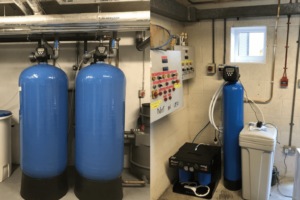
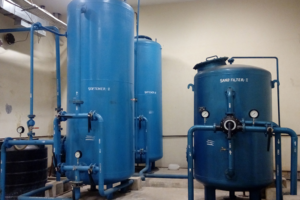
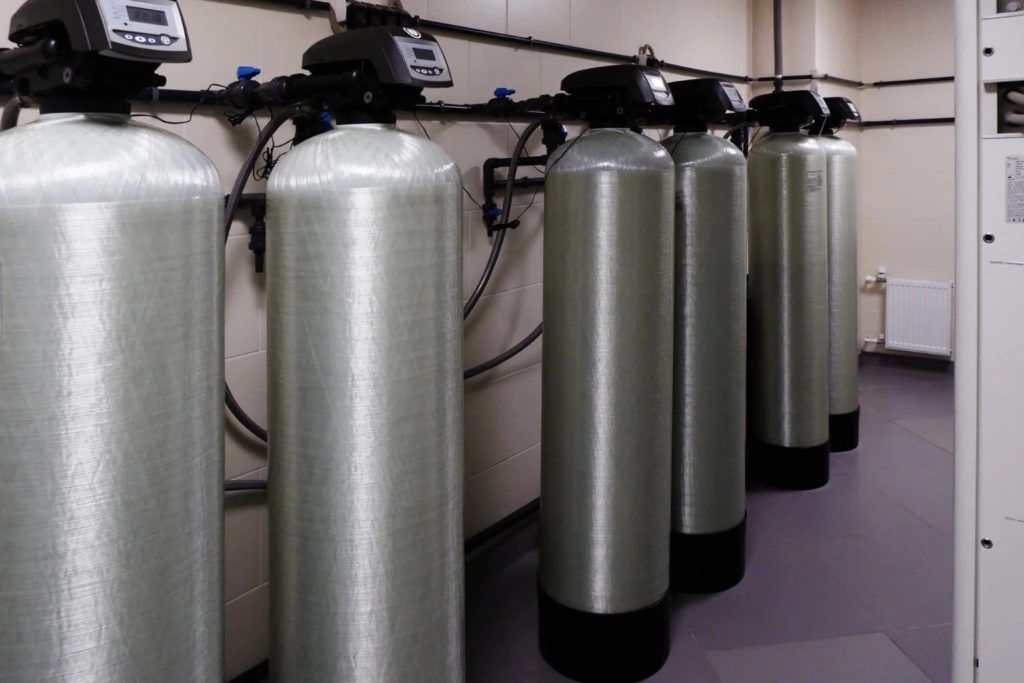
This is where multi-stage filtration becomes more relevant. Instead of relying on one method, it uses multiple layers of filtration, each targeting different impurities.
The result isn’t just cleaner water—it’s more consistent water.
And consistency, when it comes to something you drink every day, matters more than you might expect.
The Taste You Didn’t Realize Was There
One of the biggest surprises people experience when improving their water is how much taste changes.
Or more accurately—how it disappears.
That slight chemical edge? Gone. The faint metallic hint? No longer noticeable.
Much of that comes down to the ability to reduce chlorine & lead, two elements that can influence both taste and quality.
When they’re minimized, water starts to feel neutral again. It doesn’t compete with your coffee or tea—it simply supports it.
And that simplicity makes a difference.
What “Clean” Water Actually Feels Like
We often use the word “clean” without really thinking about what it means in practice.
Clean water isn’t just about safety—it’s about experience.
It’s the way it tastes when you take a sip. The way it feels when you use it every day. The confidence you have when you reach for the tap without second-guessing.
That’s what people mean when they talk about clean tap water. Not something perfect or overly processed—just something that feels right.
Something you don’t have to think about.
The Subtle Shift That Changes Your Routine
Improving your water doesn’t come with a dramatic transformation.
There’s no big moment where everything suddenly feels different.
Instead, it’s gradual.
You start drinking more water without realizing it. Your coffee tastes smoother. Your cooking feels a bit more consistent.
And then, after a while, you notice something interesting—you’re no longer thinking about your water at all.
That’s when you know it’s working.
Choosing a Solution Without Getting Lost in Details
If you’ve ever looked into water systems, you know how quickly things can feel overwhelming.
Different technologies, different features, different claims—it’s a lot to process.
But you don’t need to understand every detail.
Start with what matters to you. Is it taste? Convenience? Peace of mind?
Once you focus on that, the right option usually becomes clearer.
It’s not about finding the most advanced system. It’s about finding one that fits your daily life.
Why It’s Worth Paying Attention
Water is one of those things that quietly shapes your routine.
You drink it, cook with it, use it throughout the day without giving it much thought.
But when it improves—even slightly—you start to feel the difference in ways you didn’t expect.
Better taste. More confidence. A smoother, more comfortable experience.
These aren’t dramatic changes, but they’re meaningful.
A Small Upgrade That Stays With You
One of the best things about improving your water is how naturally it fits into your life.
There’s no extra effort, no complicated steps.
You just turn on the tap, and it’s there—better than before.
And over time, that simplicity becomes part of your routine.
Final Thoughts: The Kind of Improvement You Don’t Notice—Until You Do
We often focus on visible upgrades when improving our homes. New furniture, better lighting, fresh paint.
But some of the most impactful changes are the ones you don’t immediately see.
Water is one of them.
It’s constant. It’s essential. And when it feels right, it supports your daily life without drawing attention to itself.
And maybe that’s the real goal—not to think about your water more, but to think about it less… because it finally feels the way it should.