tds removal
There’s a moment many of us have had but don’t talk about much. You pour a glass of water, take a sip, and pause. It’s not terrible. It’s not unsafe. But something feels heavy—almost chalky, sometimes faintly salty, sometimes just… dull. That feeling is often tied to dissolved solids in water, and once you notice it, it’s hard to ignore.
Water is supposed to be simple. But in many regions, especially where groundwater is the main source, it rarely is.
What “Dissolved Solids” Really Means in Everyday Life
Total Dissolved Solids (TDS) is a broad term. It includes minerals like calcium and magnesium, salts, traces of metals, and other tiny particles you can’t see but definitely taste or feel. Some of these are essential in small amounts. Others? Not so much.
High TDS water might leave white stains on taps, make soap feel ineffective, or turn your morning tea into something oddly flat. Over time, it can also shorten the life of appliances. None of this screams emergency—but it does quietly affect daily comfort.
That’s why more people are starting to think seriously about tds removal, not as a technical obsession, but as a quality-of-life upgrade.
The Misconception That There’s Only One “Right” Solution
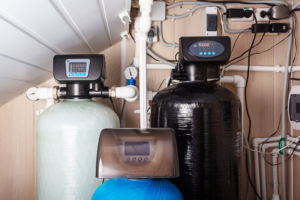
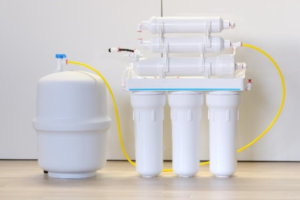
Ask around and you’ll hear the same advice repeated: “Just install an RO.” Reverse osmosis works, no doubt. But it’s not the only path, and for some households, it’s not even the best one.
RO systems can waste water, require regular maintenance, and sometimes strip water down so far it loses its natural taste. If your TDS levels are moderately high—not extreme—you might be solving a bigger problem than you actually have.
This is where nuance matters. Not all dissolved solids need to go. The goal isn’t purity at any cost. It’s balance.
Letting Water Settle: Simple, Slow, Surprisingly Effective
One of the oldest techniques still has value today. When water is stored in a clean container and left undisturbed for several hours, heavier dissolved particles can settle slightly toward the bottom. It won’t transform hard water into mountain spring water, but it can reduce the concentration enough to make a noticeable difference.
Decanting the clearer water from the top, leaving sediment behind, is a low-effort habit that works especially well for households already storing water for daily use.
It’s not flashy. It just quietly helps.
Filtration That Focuses on Taste and Feel, Not Extremes
Activated carbon filters are often underestimated. People think of them only as odor or chlorine removers, but high-quality carbon can also trap certain dissolved compounds that contribute to high TDS readings.
If you’ve ever wondered how to remove dissolved solids from water without installing a full system, carbon filtration is often the first sensible step. It’s affordable, low maintenance, and doesn’t waste water. For many homes, that’s enough to cross the line from “barely tolerable” to “actually enjoyable.”
Boiling Isn’t a Myth—It’s Just Misunderstood
Boiling water doesn’t magically erase dissolved solids. In fact, if you boil water and let it evaporate, TDS can technically rise. But here’s the part people miss: boiling helps convert temporary hardness into scale, which can then be filtered out once the water cools.
This method works best for cooking water or in combination with basic filtration. It’s not a standalone fix, but as part of a routine, it pulls its weight.
Mixing Water Sources: A Practical Hack That Works
If you have access to low-TDS water—rainwater, packaged drinking water, or a treated community supply—you can blend it with your regular tap water. This dilution method brings overall TDS down without complicated equipment.
It’s flexible, too. Some people mix only for drinking water. Others adjust ratios seasonally as groundwater quality shifts. It’s one of the most underrated ways to lower tds while keeping costs and effort in check.
Plumbing and Storage Matter More Than You Think
Sometimes the issue isn’t the source water at all. Old pipes, poorly cleaned storage tanks, and stagnant water can add dissolved solids that weren’t there to begin with. Flushing taps after long periods of non-use, cleaning overhead tanks regularly, and replacing aging plumbing can reduce TDS impact more than expected.
It’s not the kind of fix that comes in a box, but it often delivers the most lasting results.
Testing Changes Everything
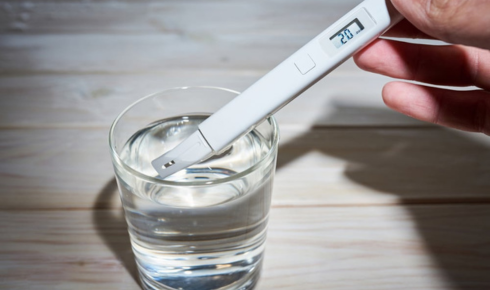
A small digital TDS meter is one of the best investments you can make. It removes guesswork. You can test before and after boiling, filtering, or mixing water. Over time, patterns emerge—seasonal changes, supply differences, even plumbing issues.
Once you see the numbers, you stop chasing myths and start making informed choices. That’s when water management becomes less stressful and more intentional.
Finding Peace With Your Water
At the end of the day, water doesn’t need to be perfect. It needs to be comfortable. Safe. Pleasant enough that you don’t think twice before pouring another glass.
Lowering dissolved solids isn’t about chasing zero. It’s about reducing what gets in the way of everyday life—scale, taste issues, dryness, inconvenience. When you approach the problem calmly, without overcorrecting, you often find that small, thoughtful changes add up to something meaningful.