There’s nothing quite like pouring yourself a glass of water — only to recoil from a stench that could knock out a horse. If you’ve ever caught a whiff of rotten eggs coming from your tap, you know exactly what I’m talking about. That ugh moment isn’t just gross — it’s usually a sign of something deeper going on in your plumbing or well system.
Let’s take a human approach here. Not the overly technical, soulless breakdown you’ve probably read a dozen times. This is about real people, real problems — and practical fixes. If you’ve got that funky smell invading your sinks, showers, or even your laundry, you’re not alone — and no, your house isn’t cursed. Let’s unpack it.
That Smell? It’s Probably Hydrogen Sulfide
Here’s the main culprit: hydrogen sulfide water. This gas forms naturally and finds its way into your water supply, especially if you use well water. The smell is unmistakable — sulfur, rotten eggs, just… yuck. Even small traces can make the whole house feel off.
Hydrogen sulfide can creep in due to decaying organic matter underground, chemical reactions with certain minerals, or even bacterial activity in your plumbing system. It’s not usually harmful in low concentrations, but it can corrode pipes, stain laundry, and make you question your life choices every time you take a sip of water.
Is It Really Your Well? Probably.
If you rely on private well water, this might sound all too familiar. That rotten egg smell often comes from the well itself — either from the groundwater or from reactions happening inside the plumbing. The issue can range from harmless (but annoying) to something that genuinely needs professional attention.
Some homeowners describe it like this: “The cold water smells fine, but once I turn on the hot, it’s like my bathroom turns into a stink bomb.” Sound familiar? That’s because the heating process can amplify the odor, especially if you’ve got a sacrificial anode rod (usually made of magnesium) in your water heater.
That specific well water odor can sometimes be stronger after it’s been sitting stagnant for a while, like overnight. That’s a telltale clue it’s related to bacterial activity or chemical reactions, not just the source water itself.
It’s Not Just the Smell – It’s the Whole Experience
Let’s not gloss over this — smelly water messes with your life in sneaky ways. You start dreading showers. You feel embarrassed when guests come over. You wonder if it’s safe to drink. And if you’re like most people, you probably tried a water filter and hoped for the best.
Here’s the deal: those little faucet-mounted filters or pitcher-style ones? They might help with taste, but they won’t do much for gases like hydrogen sulfide. You need a real fix. Something that addresses the root of the bad water smell, not just masks it with lemony freshness.
So, What Can You Do About It?
This is where things get interesting. There’s no “one-size-fits-all” solution — and that’s actually a good thing. Because the right approach depends on your water, your system, and how bad the issue is.
Here are some common (and proven) ways folks are tackling this issue:
1. Shock Chlorination
Sounds aggressive, right? Well, it is — but in a good way. This involves dumping chlorine into your well to kill off sulfur bacteria. It’s like hitting the reset button. But here’s the catch: it’s often a temporary solution. The bacteria can creep back in.
2. Replacing the Anode Rod
Remember that water heater we talked about? If the odor only shows up when hot water’s involved, replacing your magnesium anode rod with an aluminum or zinc one can help. It won’t fix the whole system, but it might solve part of the puzzle.
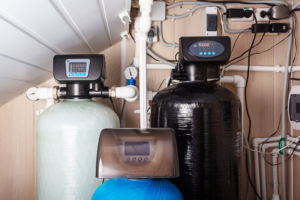
3. Installing an Aeration or Oxidation System
These systems add air to the water, which causes the hydrogen sulfide to oxidize (basically, break down). They’re effective but can be pricey and require maintenance. Still, for persistent issues, they’re a game-changer.
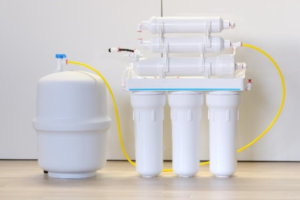
4. Activated Carbon Filters
These are solid for low levels of hydrogen sulfide. But don’t expect miracles if your smell is overpowering. They’re great at improving taste and smell — if your issue isn’t too severe.
5. Manganese Greensand Filters
Don’t let the name scare you — it’s basically a filter that removes iron, manganese, and hydrogen sulfide. These are especially useful for well systems dealing with multiple contaminants.
Don’t Forget the Water Test
Before you go shopping for expensive filtration systems, do yourself a favor and test your water. Seriously. It’s affordable, quick, and takes the guesswork out of the equation. A good water test will tell you what’s really in your water — sulfur, iron, bacteria, pH levels — all of it.
Knowing what you’re up against is half the battle.
When to Call in the Pros
Listen, DIY is great. I’m all for rolling up your sleeves. But if you’ve tried the basics and still find yourself apologizing to houseguests every time they wash their hands, it’s time to bring in the experts.
Water treatment professionals can test, diagnose, and design systems specifically for your setup. Sometimes what seems like a “simple smell” is part of a bigger water quality issue you might not see yet.
Final Thoughts: Clean Water is Worth It
Water is one of those things we take for granted — until something goes wrong. And when it does, like that telltale sulfur stench filling your home, it becomes impossible to ignore.
But here’s the good news: this is solvable. Whether it’s switching out parts in your system, installing a better filter, or upgrading your whole water treatment setup, there is a fix.
Don’t just tolerate smelly water. You deserve better — and your nose certainly agrees.