remove dissolved solids
There’s something incredibly simple, yet deeply satisfying, about a cold glass of water—until, of course, it tastes… off. You know the feeling. Maybe it’s a metallic zing. Or a chlorine-like sharpness. Or just a general “meh” that makes you reach for anything but water. And while we often blame our plumbing or the municipal supply, the real issue goes a bit deeper—literally.
Let’s dive into why your water might not be as clean or tasty as you think, and what you can actually do about it without going full “doomsday prepper” with your own filtration bunker.
The Not-So-Secret World of What’s in Your Water
First, a reality check: even “safe” drinking water can be filled with stuff you’d rather not sip. We’re talking about minerals, leftover disinfectants, microscopic bits of organic matter, and yes, even trace pharmaceuticals in some cases. These aren’t necessarily going to make you sick (thanks to regulations), but they’re not exactly flavorless guests either.
One of the biggest culprits? Dissolved solids.
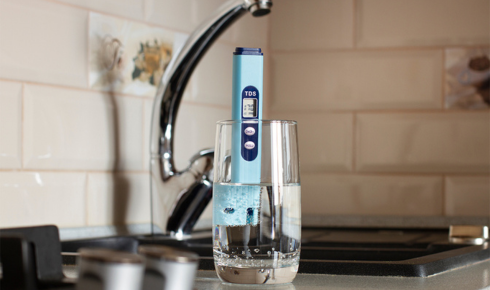
You’ve probably heard of TDS (Total Dissolved Solids) if you’ve ever used a water testing kit. It’s a catch-all term for everything from salts and minerals to metals and chemical residues floating invisibly in your glass. Sure, some minerals are actually beneficial, but when there’s too much, or the wrong kind? That’s when your water starts tasting like a chemistry experiment gone stale.
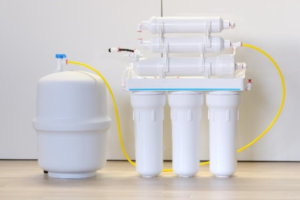
The good news? It’s absolutely possible to remove dissolved solids without turning your kitchen into a science lab. Think simple carbon filtration systems, reverse osmosis units, or even natural, mineral-balancing ceramic filters. The goal isn’t to strip water bare, but to fine-tune the balance until it tastes—and feels—right.
Taste Isn’t Just in Your Head
A lot of people dismiss water taste concerns as snobbery. “It’s just water,” they say. But if you’ve ever had spring water straight from a clean mountain source, you know better. Taste is chemistry, and it matters.
Even tiny amounts of chlorine or sulfur compounds can totally change the flavor profile. So can excess calcium or magnesium (hello, hard water). And that strange aftertaste you can’t quite describe? Could be due to lingering algae byproducts or old metal pipes in your building.
If you’re on a mission to improve drinkable water taste, start by figuring out what’s affecting it in the first place. You don’t need a lab—just a basic TDS meter and a little observational curiosity. Does it taste better after running the tap for a few minutes? Worse after storms or heavy rains? Better through the fridge filter?
From there, upgrade your filtering game. Carbon filters are the MVPs for taste. They grab onto chlorine and many volatile organic compounds, leaving your water smoother and crisper. Just don’t forget to change them—an old, overused filter can actually make your water worse. Think of it like a sponge you’ve never wrung out.
But Is It Safe?
Let’s say your water tastes fine. No weird smells. Crystal clear. All good, right?
Well… maybe.
Even if it looks and tastes perfect, your water might still contain trace amounts of pesticides, heavy metals like lead or arsenic, or microbial contaminants that sneak past outdated infrastructure. If you’ve got kids, elderly family members, or compromised immunity in the house, “trace” starts to matter a whole lot more.
The smart move? Don’t just filter for flavor—filter for function. And that means choosing systems designed to reduce contaminants beyond the usual suspects. Look for third-party certifications (like NSF/ANSI standards) that tell you a filter’s actually been tested for lead, fluoride, nitrates, or bacteria—not just “general sediment.”
Reverse osmosis is the gold standard here. Yes, it’s more expensive up front. And yes, it uses more water. But the trade-off is serious peace of mind. You’re not just guessing. You’re eliminating.
Small Steps That Make a Big Difference
You don’t have to go full minimalist to make your water cleaner, safer, and tastier. Here are a few non-intimidating, real-life upgrades:
- Start with a basic pitcher filter: Great for renters or skeptics. Improves taste instantly.
- Try a countertop gravity filter: Like a Brita, but with extra oomph. Many include ceramic and carbon stages.
- Install a faucet-mounted or under-sink filter: More powerful, and filters all your kitchen water.
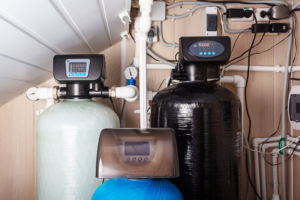
- Go big with a whole-house system: If you own your home and are serious about quality, this is the game-changer.
Oh, and pro tip: don’t ignore your fridge’s water dispenser. Those filters clog up fast and rarely get replaced on time. Keep a note, set a reminder, whatever works—just don’t let it sit for a year thinking it’s “probably fine.”
Water Is Life—But Only if You Trust It
At the end of the day, water isn’t just about hydration. It’s about confidence. It’s about knowing what you’re putting into your body (and your kids’, and your pets’, and your cooking) isn’t full of stuff you’d never consciously consume.
It’s easy to overlook. But it’s also easy to fix—once you know where to start.
So maybe that first glass tastes a little better tomorrow. Maybe your tea is smoother. Maybe your pasta comes out just a bit more flavorful. Small wins, right? But over time, they add up.
And really, shouldn’t something this essential feel… right?
Final Sip: It’s Not Just “Water”
Let’s stop pretending all water is the same. Let’s stop ignoring the subtle signs—cloudiness, funkiness, that tiny voice that says “this doesn’t taste right.” Whether you’re buying filters or testing kits, or just becoming more mindful of what’s flowing from your tap, it’s not paranoia. It’s empowerment.
Your body deserves better than questionable water. Your morning coffee, your post-workout hydration, your daily routines—they all start with a glass. Make it count.
Because water isn’t just a basic need.
It’s your foundation.