plumbing leak repair
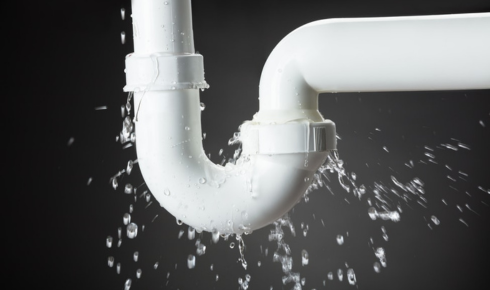
There’s nothing quite like the quiet anxiety of hearing a drip… drip… drip in your home. At first, it might feel like no big deal. Just a tiny leak, right? But give it a few days—or worse, weeks—and that innocent little drip can escalate into warped floorboards, rising water bills, and mold making itself a cozy home in your walls. Yep, plumbing leaks are the sneaky kind of chaos that can cause a world of trouble if you don’t handle them properly—and promptly.
Let’s talk about it. Not in jargon. Not in scare tactics. Just the honest, slightly messy, human experience of dealing with water where water shouldn’t be. And more importantly, how to catch and fix leaks before your wallet, sanity, or ceiling caves in.
The Slow Leaks Are the Worst (And the Most Common)
Here’s the kicker: most plumbing problems don’t announce themselves with a dramatic waterfall coming from your ceiling. They start small. A slow drip under your kitchen sink. A weird damp spot on your drywall. A musty smell that wasn’t there last week.
By the time many folks realize they’ve got a problem, water’s already done its sneaky damage behind the scenes. Wood starts to rot. Mold spores throw a little invisible party. And suddenly that tiny drip turns into a plumbing leak repair project that’s not only necessary but urgent.
The Real Cost of Ignoring It (Hint: It’s Not Just Money)
Let’s take a second to talk about what happens when you ignore a leak. And we’re not trying to scare you—we’ve just seen it happen too often.
Yes, there’s the obvious stuff: your water bill quietly creeps up, your hardwood floors buckle, maybe your paint starts bubbling. But here’s the hidden stuff people don’t always think about: mold growth that affects air quality. Water damage that weakens structural components. Rust that corrodes plumbing over time. Not to mention the stress of knowing something’s wrong, but not knowing how bad it is.
Ignoring a leak rarely, if ever, makes it go away. In fact, the longer it’s left untreated, the more complicated and expensive it tends to get. The earlier you catch it, the more control you have—not just over the damage, but the cost.
Finding the Source Isn’t Always Easy—And That’s Okay
Now, here’s something homeowners don’t always expect: the source of a leak can be maddeningly hard to find. Water has a way of showing up far from where it started. A ceiling drip in your living room might be coming from a pipe that’s two rooms over. A puddle on the floor might not be from the toilet—it might be from a pipe inside the wall.
That’s where emergency leak detection services come in handy. The pros use specialized tools like thermal imaging, acoustic sensors, and moisture meters to trace the exact origin of a leak without tearing up half your house in the process. It’s not magic—but it kind of feels like it when you’ve been chasing phantom leaks for weeks.
DIY or Call a Plumber? The Honest Take
We get it. YouTube makes everything look doable. And for some leaks? Sure. Tightening a loose joint, replacing a worn-out washer, or resealing a fitting—those are manageable with a bit of patience and the right tools.
But here’s the truth: once water damage becomes visible or if the leak’s hidden behind walls, beneath floors, or under concrete slabs, DIY can quickly turn into DI-why-did-I-do-this. You might spend more on fixing your fix than you would have on just calling a plumber in the first place.
A good rule of thumb? If you’re even a little unsure where the leak is coming from—or if water’s already pooled somewhere it shouldn’t—call a professional. It’s not admitting defeat; it’s avoiding further damage.
When the Pipe Itself Is the Problem
Let’s not forget about one of the more serious culprits: the pipe. Maybe it’s old and corroded. Maybe it cracked during a freeze. Maybe tree roots have found their way into it. Pipes, especially those hidden away for decades, don’t last forever.
In those cases, a simple patch job won’t cut it. You’ll need a proper pipe leak repair, which could mean replacing a section of the pipe, rerouting plumbing, or even upgrading materials. It sounds intimidating, but the good news is that modern plumbing techniques have come a long way. No, you won’t need to gut your entire house—especially if you catch the problem early.
Prevention: The Leak Fix You Didn’t Know You Needed
Here’s the part people often skip over, but it’s arguably the most important: prevention. You don’t have to wait until a ceiling collapses or your bathroom becomes an indoor pool. Regular plumbing inspections, especially in older homes, can catch vulnerabilities before they become disasters.
Install water sensors under sinks or near your washing machine. Check your water pressure—high pressure can stress pipes and lead to leaks. Pay attention to your water bill; sudden increases often signal a hidden issue. And once a year, have a professional give your system the once-over.
Prevention isn’t just peace of mind. It’s the cheapest repair you’ll never need to make.
Final Thoughts: Water’s Great… Until It Isn’t
We rely on water for everything—cleaning, bathing, drinking, cooking. But when it escapes its intended path, it becomes a slow, silent wrecking ball. Plumbing leaks aren’t just a nuisance; they’re a threat to your home’s integrity and your quality of life.
And while not every leak demands panic, every leak does deserve attention. Whether it’s a drip under your sink or a water stain spreading across your ceiling, take it seriously. Act quickly. Ask for help if you need it.
Because when it comes to leaks, what you don’t see can definitely hurt you—and your home.
One Last Word
Whether you’re a hands-on homeowner who likes to tinker or someone who prefers to leave it to the pros, just know this: leaks are fixable. Damage can be undone. Homes can heal. And the moment you take action? That’s when control shifts back into your hands.