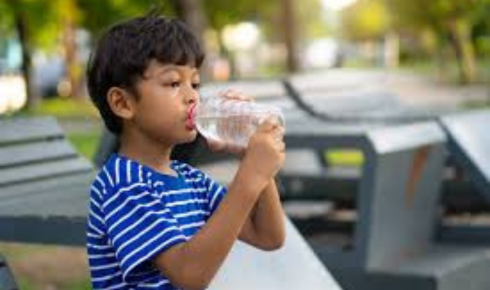
If you’ve ever tried to get a child to drink water when they’re busy playing, you already know—it’s not always easy. They’ll run for hours, laugh, sweat, forget everything… and hydration is usually the last thing on their mind. Until, of course, they suddenly stop and say, “I’m thirsty,” like it just occurred to them.
And that’s the thing. Kids don’t naturally think about hydration the way adults eventually learn to. For them, it’s not a habit yet. It’s a reaction. Which means, somewhere along the way, someone has to gently guide that shift.
Not with strict rules or constant reminders—but with small, everyday cues that slowly turn into something lasting.
Why Kids Don’t Always Notice Thirst
Children are experts at being present. They get so absorbed in what they’re doing that basic needs can fade into the background. Hunger, tiredness, even thirst—they all take a back seat to whatever game or activity is happening in the moment.
That’s why building kids hydration habits takes a bit more intention. You’re not just offering water—you’re helping them recognize when they need it. And that doesn’t happen overnight.
Related brief: Finding the Right Commercial Water Filtration for a Business That Can’t Afford Disruptions
It might look like handing them a bottle before they ask. Or pausing playtime for a quick water break. At first, it feels like you’re doing all the work. But gradually, they start noticing the pattern.
And one day, they reach for water on their own. That’s when you know it’s working.
Making Water Feel Like the Easy Choice
Let’s be honest—kids are naturally drawn to colorful drinks, juices, anything that feels like a treat. Water, in comparison, can seem… boring. So the goal isn’t to force it, but to make it part of their normal routine.
Sometimes it’s as simple as accessibility. Keeping a water bottle within reach. Letting them pick a bottle they like. Making it their thing.
This is where healthy drinking habits quietly begin to take shape. Not through lectures, but through repetition and familiarity. Water becomes the default, not because they were told to choose it, but because it’s always there.
And once that habit forms early, it tends to stick in ways that feel almost effortless later in life.
The Role of Conversations (Even Small Ones)
Kids are curious by nature. They ask questions, they notice details, they want to understand how things work. That curiosity can be a powerful tool when it comes to hydration.
You don’t need to explain everything in technical terms. Just simple ideas—how water helps their body stay strong, how it keeps them feeling good while playing, how it helps them think clearly in school.
This kind of water education for kids doesn’t have to be formal. It can happen during everyday moments. A quick comment after a game. A small reminder when they’re feeling tired. Over time, those bits of understanding start to connect.
And suddenly, water isn’t just something they’re told to drink—it’s something they understand.
The Mistakes We Don’t Realize We’re Making
It’s easy to unintentionally send mixed signals. Offering sugary drinks as rewards. Keeping water as the “boring” option. Letting hydration become an afterthought.
None of these are major mistakes. They’re just habits we fall into without thinking too much about them.
The good news is, they’re easy to adjust. It’s not about removing everything else—it’s about making water a consistent presence. A reliable choice.
Letting It Happen Naturally
The idea isn’t to turn hydration into a strict routine. Kids don’t respond well to rigid systems. What works better is a gentle rhythm—something that feels natural, not forced.
A sip before school. A bottle in their bag. Water breaks during play. These small moments build familiarity. And familiarity builds habit.
A Quiet Impact That Lasts
What’s interesting is how these early habits carry forward. A child who grows up reaching for water without thinking often becomes an adult who does the same.
There’s no big moment where it all clicks. It’s more of a slow, steady process. One that happens quietly, without much attention.
But the impact? It’s long-term.
Ending With a Simple Thought
You don’t need to overcomplicate this. You don’t need perfect routines or strict rules. Just a bit of consistency, a bit of patience, and a willingness to guide rather than push.
Because in the end, it’s not just about getting kids to drink more water today. It’s about helping them build a relationship with it that feels natural for years to come.
And sometimes, that starts with something as simple as offering a glass… before they even ask.