Water has a funny way of becoming invisible in our daily lives. We turn on a faucet, fill a glass, start the dishwasher, or take a shower without giving much thought to what happens behind the scenes. Yet every drop passes through a network of equipment designed to make it cleaner, safer, and more reliable. When those components work well, nobody notices. It’s only when something breaks that we suddenly remember how important they really are.
That’s why choosing quality components isn’t just a technical decision. It’s a practical one that affects health, maintenance costs, and even peace of mind. Whether you’re maintaining a home filtration setup, managing a commercial property, or looking after an industrial installation, paying attention to the small details often prevents much bigger headaches later.
Every System Is Only as Good as Its Smallest Component
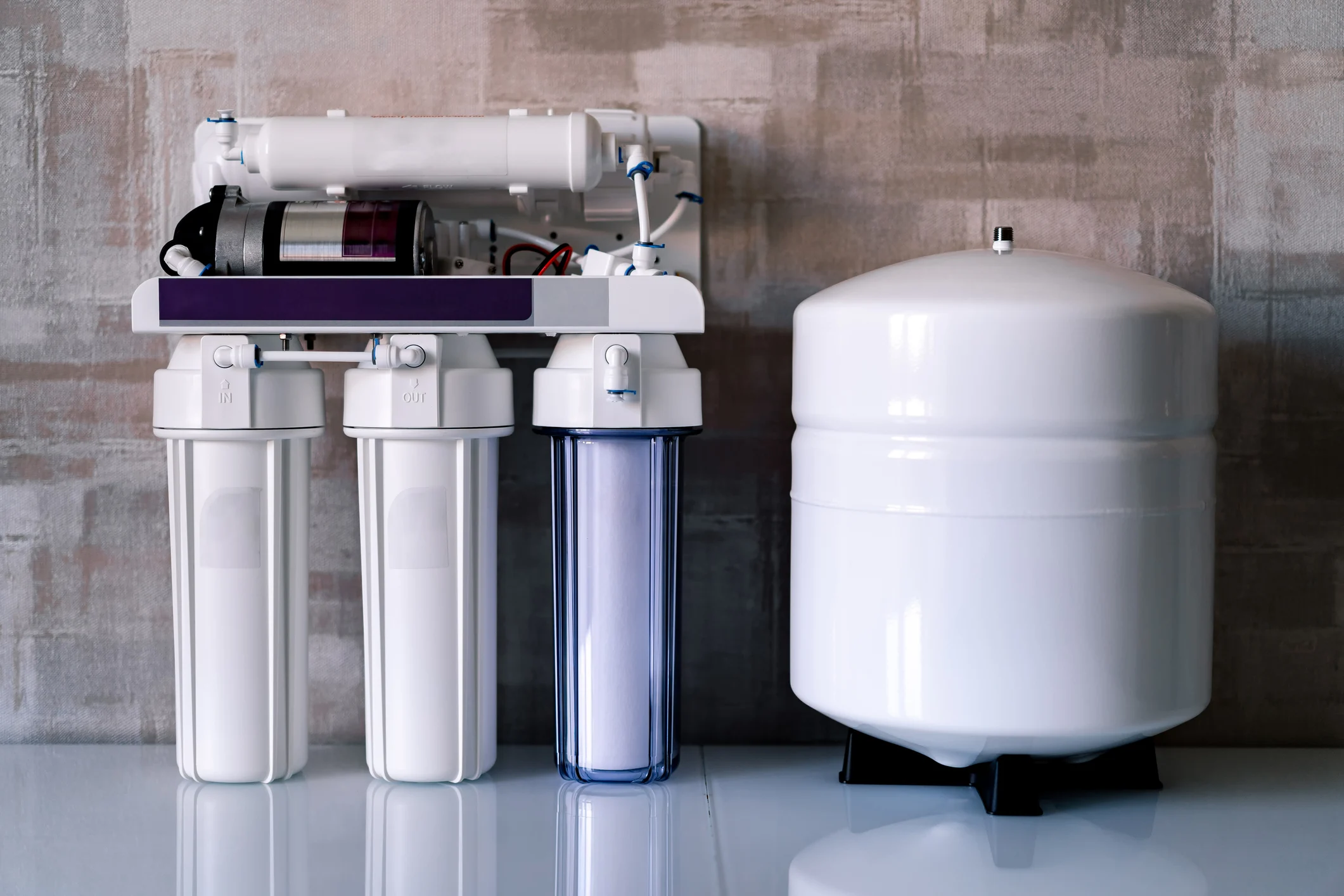
People often invest in high-end filtration units or advanced treatment equipment while overlooking the smaller pieces that keep everything functioning smoothly. Tubing, valves, fittings, seals, cartridges, pressure gauges, injectors, and replacement components may not look impressive, but they’re often the reason an entire setup succeeds—or fails.
Think of it like maintaining a car. Buying a reliable vehicle means very little if you ignore oil changes or replace worn parts with poor-quality alternatives. Water equipment works much the same way. One inexpensive component can influence the performance of everything connected to it.
Reliable water treatment parts are designed to withstand constant exposure to moisture, pressure, chemicals, and changing temperatures. Better materials typically last longer, reduce maintenance, and help equipment operate as intended over many years.
Clean Water Doesn’t Happen by Accident
Safe drinking water is the result of multiple treatment stages working together. Depending on where the water comes from, those stages may remove sediment, chlorine, iron, sulfur, bacteria, heavy metals, or other contaminants.
Even a well-designed setup needs routine maintenance. Filters eventually clog. Seals wear down. Pump components experience normal wear after thousands of operating hours. Ignoring these realities rarely saves money in the long run.
Related brief: Why Custom Water Treatment Solutions Make More Sense Than One-Size-Fits-All Systems
Regular inspections often reveal small issues before they become expensive repairs. Replacing a worn seal today might prevent a major leak tomorrow. Changing a cartridge on schedule may keep pumps from working harder than necessary.
It’s one of those situations where a little preventative care goes a surprisingly long way.
Why Proper Water Filtration Is Worth the Investment
Many homeowners initially install treatment equipment because of taste or odor problems. Maybe the tap water smells like sulfur, leaves white mineral deposits, or has an unpleasant metallic flavor. Over time, though, they begin noticing other benefits they hadn’t expected.
Good water filtration can reduce sediment buildup inside plumbing fixtures, help household appliances last longer, improve the quality of drinking water, and even make soap work more effectively. Clothes may feel softer after washing, dishes come out cleaner, and fixtures require less scrubbing.
These improvements don’t happen overnight, but they add up over months and years. Sometimes the greatest value isn’t dramatic—it’s simply having fewer problems to deal with.
Choosing Parts Isn’t Just About Price
It’s tempting to compare replacement components solely by cost. After all, two similar-looking fittings might have very different price tags.
However, appearance rarely tells the whole story.
Higher-quality materials often resist corrosion better, maintain tighter seals, tolerate higher operating pressures, and survive repeated use without cracking or degrading. Inferior replacements may fit initially but fail much sooner, creating unexpected downtime and additional repair expenses.
A cheaper component that requires replacement every six months can easily cost more than a premium option that lasts several years.
That isn’t always obvious during the first purchase.
Maintenance Doesn’t Need to Be Complicated
One reason people postpone maintenance is because they assume it’ll be difficult or time-consuming. In reality, many routine tasks take only a few minutes.
Simple habits make a noticeable difference:
- Check filters according to the manufacturer’s schedule.
- Inspect fittings for leaks.
- Monitor water pressure regularly.
- Clean components when recommended.
- Replace worn seals before they fail completely.
- Keep spare replacement parts available for essential equipment.
These small routines often extend equipment life while maintaining consistent performance.
It’s a bit like brushing your teeth—not exciting, but undeniably worthwhile.
Modern Water Systems Are Smarter Than Ever
Technology has quietly transformed treatment equipment over the past decade. Many newer water systems now include digital monitoring, automated controls, flow sensors, smart alerts, and remote diagnostics that make maintenance much easier.
Instead of waiting until performance drops noticeably, some systems notify users when filters require replacement or when unusual operating conditions appear. That proactive approach reduces downtime while helping maintain water quality more consistently.
Commercial facilities especially benefit from these features because unexpected interruptions can become expensive very quickly.
Even residential equipment has become more user-friendly, making advanced treatment accessible without requiring technical expertise.
Finding the Right Replacement Components
Not every replacement part is universally compatible. Manufacturers often design equipment with specific dimensions, materials, pressure ratings, and chemical resistance requirements.
Before ordering anything, it’s worth confirming:
- Model numbers
- Pressure specifications
- Material compatibility
- Operating temperature range
- Manufacturer recommendations
- Installation requirements
Taking five extra minutes to verify compatibility can save hours of frustration later.
When uncertainty exists, consulting product documentation or experienced suppliers usually proves far easier than trying to force an incorrect component into place.
Long-Term Value Comes From Consistency
Many people think about water quality only after something goes wrong. Maybe the water suddenly tastes different. Perhaps pressure drops unexpectedly. Sometimes equipment begins leaking without warning.
In reality, reliable performance usually comes from consistent care rather than emergency repairs.
Quality components, routine inspections, and timely replacements work together to keep equipment operating efficiently year after year. While no system lasts forever, proper maintenance significantly extends service life while reducing unexpected costs.
It’s not glamorous work, admittedly. Yet it’s the kind of behind-the-scenes investment that continues paying off every single day.
Final Thoughts
Clean, dependable water supports nearly every aspect of daily life, from cooking and cleaning to protecting appliances and supporting healthier living. Behind that reliability are dozens of components quietly doing their job without attracting attention.
Choosing quality replacement parts, following regular maintenance schedules, and investing in dependable equipment isn’t simply about avoiding breakdowns. It’s about creating confidence that your system will continue performing when you need it most.
Sometimes the smartest upgrades aren’t the biggest or the most expensive. They’re the thoughtful decisions made before problems appear. And when it comes to maintaining clean, safe water, those small decisions often make the biggest difference over time.