A home has a way of keeping us busy without much warning. One morning, the kitchen sink drains slowly. A few days later, the shower starts losing pressure, or you notice a damp patch beneath the bathroom vanity. None of these things seems especially dramatic at first, but small household issues have a habit of showing up at the worst possible time.
Plumbing is easy to overlook when everything works as expected. Pipes stay hidden behind walls, drains disappear beneath floors, and water flows with the simple turn of a handle. Yet the system supporting those everyday comforts needs a little attention now and then. Knowing what to watch for, when to act, and when to call a professional can help you avoid unnecessary stress and expense.
Catching Small Problems Before They Grow
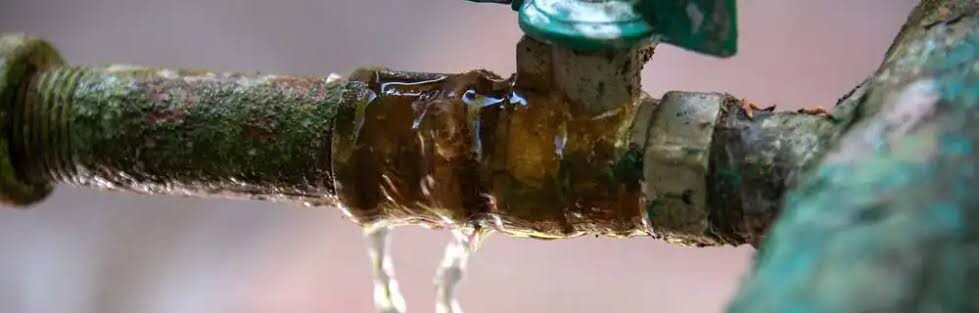
Some plumbing problems begin with obvious signs, such as a dripping faucet or a toilet that refuses to stop running. Others are quieter. You might notice a musty smell in a cupboard, a sudden increase in your water bill, or a patch of paint that starts bubbling near a pipe.
These clues are worth investigating because water can travel through building materials before becoming visible. A leak beneath a sink may gradually damage the cabinet, while moisture behind a wall can affect insulation and encourage mould growth. By the time the problem becomes obvious, the repair may involve more than the pipe itself.
A quick visual check every few weeks can make a difference. Look beneath sinks, around toilet connections, near washing machines, and wherever pipes are exposed. Check for corrosion, mineral deposits, dampness, and loose fittings. You don’t need specialist equipment to notice a change, although identifying the exact cause may require professional help.
Related brief: Finding the Right Commercial Water Filtration for a Business That Can’t Afford Disruptions
If water is actively leaking, turn off the relevant supply if you can do so safely. For a serious leak, knowing the location of your main shut-off valve can save valuable time. Keep away from water near electrical equipment and seek urgent assistance when the situation presents a safety risk.
Why Water Pressure Deserves Attention
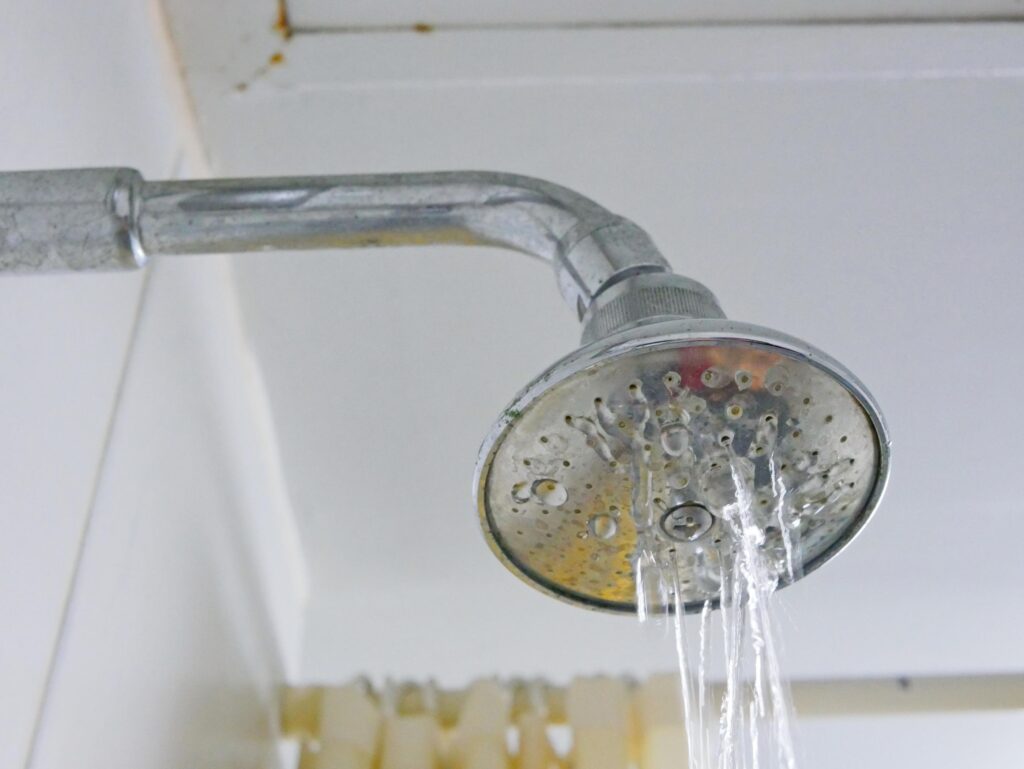
Few things are more irritating than a shower that barely produces a steady stream of water. Filling a cooking pot takes longer, rinsing dishes becomes a chore, and even washing your hair feels like an exercise in patience.
Persistent poor water pressure can have several causes. A clogged faucet aerator may restrict flow at one tap, while mineral buildup, a partially closed valve, or a pipe obstruction may affect a larger section of the plumbing system. In some homes, the incoming supply itself may be insufficient for the household’s needs.
Start by checking whether the problem affects one fixture or several. If a single faucet is affected, cleaning or replacing its aerator may help. If showers, kitchen taps, and other fixtures all experience reduced flow, the cause may be farther upstream and deserves a more thorough inspection.
Don’t immediately assume that installing a pump will solve everything. A pressure-boosting system can help in suitable circumstances, but it won’t repair a blocked pipe or correct every supply issue. Excessive pressure can also put stress on fittings, hoses, and appliances. A qualified plumber can measure the pressure, investigate the cause, and recommend a solution that fits the property.
Give Drains and Fixtures a Little Care
Drains work hard every day, particularly in kitchens and bathrooms. Hair, soap residue, food particles, and grease can gradually build up inside pipes. The first sign is often a sink that takes longer than usual to empty, followed by unpleasant odours or recurring blockages.
A few simple habits can help. Use drain covers where hair collects, dispose of cooking grease properly instead of pouring it down the sink, and clean removable strainers regularly. These small tasks are far easier than dealing with a completely blocked drain on a busy evening.
Be careful with chemical drain cleaners. Some products can damage certain pipes or create hazardous reactions when mixed with other cleaning chemicals. If a blockage keeps returning, several fixtures begin draining slowly, or wastewater backs up into a sink or shower, professional investigation is the safer option.
Fixtures need attention, too. A dripping faucet may only require a replacement cartridge or seal, while a cracked basin or heavily corroded fitting may be better replaced. The right choice depends on the fixture’s condition, repair cost, and expected lifespan.
Know When to Call a Professional
There’s nothing wrong with handling simple maintenance yourself, provided you understand the task and can complete it safely. Cleaning a faucet aerator or checking a visible connection is very different from opening a wall to reach a leaking pipe.
Hidden leaks, repeated blockages, damaged supply lines, and major changes to the plumbing system generally call for experienced help. The same applies to work involving gas-powered water heaters, electrical components, or significant water damage. Trying to save money with an uncertain repair can sometimes make the eventual job more expensive.
When contacting a plumber, describe the symptoms clearly. Mention when the problem started, whether it happens continuously, and whether you’ve noticed changes in pressure, sound, colour, or smell. These details can help the professional narrow down possible causes before arriving.
For larger projects, ask for a written estimate that explains the proposed work, materials, labour, and any additional charges. You should understand what is included and whether further repairs might be needed if hidden damage is discovered. Clear communication makes it easier to plan the work without unpleasant surprises.
What to Consider Before Approving Repairs
A low price can be tempting, particularly when an unexpected repair disrupts the household budget. Still, the cheapest option isn’t always the most suitable one. A quote that leaves out essential work may cost more in the long run, while an expensive proposal may include upgrades that aren’t necessary.
Compare estimates based on the work being offered, not just the final number. Ask about warranties, replacement parts, expected completion time, and whether the contractor will test the system after the repair. If the problem is recurring, find out whether the proposal addresses the underlying cause or simply treats the visible symptom.
It can also help to separate urgent repairs from optional improvements. A leaking pipe needs attention promptly, whereas replacing a functioning faucet for appearance alone can usually wait. Prioritising the work helps you protect the home while keeping spending manageable.
Make Plumbing Maintenance Part of Home Care
You don’t need an elaborate schedule to look after your plumbing. Check for visible leaks, keep drains clear, inspect appliance hoses, and pay attention to changes in water pressure. Learn where the shut-off valves are located and make sure they’re accessible when needed.
If your home has older pipes or a history of leaks, consider arranging a routine inspection. A plumber can assess the condition of the system and identify areas that may deserve attention before they fail. Keep records of repairs and installations so future maintenance is easier to plan.
When you’re considering a repair or improvement, requesting a free estimate can be a useful first step if a reputable provider offers one. Ask what the estimate includes, whether an inspection fee applies, and whether the price could change if additional damage is discovered. Getting clear answers helps you compare options without feeling rushed into a decision.
A Reliable Plumbing System Starts With Small Decisions
Good plumbing maintenance isn’t about expecting everything to last forever. It’s about noticing changes, dealing with issues promptly, and making informed choices about repairs and replacements.
A little attention today can prevent a great deal of inconvenience tomorrow. Whether you’re fixing a dripping tap, investigating weak water flow, or arranging a more extensive repair, understanding the problem is the best place to begin. With regular care and the right professional support, your plumbing can continue doing its job quietly in the background—just the way it should.