Water is one of those things we tend to take for granted. We turn on the faucet, fill a glass, make coffee, cook dinner, and get on with the day. Most of the time, we don’t stop to think about what’s actually in that water.
Then something changes.
Maybe the water develops an unusual taste. Perhaps there’s a chlorine smell, mineral buildup around the faucet, or a difference in how your coffee tastes. Suddenly, that simple glass of water becomes something worth thinking about.
For many homeowners, improving drinking water isn’t about chasing some impossible idea of perfection. It’s about making a practical improvement that fits naturally into everyday life.
Start by Understanding Your Water
Before buying a filtration system, it makes sense to understand the water you’re starting with.
Water conditions can vary from one home to another. Municipal water and private well water may have very different characteristics, while plumbing, local geology, and seasonal changes can also influence water quality.
A proper water assessment can identify concerns such as hardness, chlorine, iron, sulfur, sediment, pH, or other substances.
That information matters because filtration isn’t a one-size-fits-all solution.
The system that works beautifully for your neighbor may be completely unnecessary for your home. It’s better to solve an actual problem than spend money solving an imaginary one.
What Does Better Drinking Water Look Like?
For some households, The Best Drinking Water for Your Home simply means water that tastes fresh and pleasant.
Related brief: Why Custom Water Treatment Solutions Make More Sense Than One-Size-Fits-All Systems
For others, it may mean reducing certain contaminants or dealing with hardness and unpleasant odors.
There isn’t one universal definition.
The important thing is identifying what you want your water treatment system to accomplish. If taste is the main concern, carbon filtration may be enough. If you’re concerned about dissolved substances, reverse osmosis could be worth considering.
The goal isn’t to buy the most complicated equipment. It’s to choose the technology that makes sense for your water.
Why Water Filtration Can Be Worth It
A properly selected filtration system can make a noticeable difference in everyday routines.
Think about your morning coffee. Water makes up most of the drink, so its taste can influence the final cup more than you might expect. The same goes for tea, ice, soups, and other foods prepared with tap water.
A drinking water filtration system can also make tap water more appealing, which may encourage your household to use reusable bottles instead of constantly buying bottled water.
That’s convenient, and over time it can reduce the clutter of plastic bottles around the house.
It’s not a dramatic lifestyle change. It’s just one of those little upgrades that starts making sense once you get used to it.
Choosing Between Different Filtration Technologies
There are several types of water treatment available, and each has its strengths.
Carbon filters are commonly used to reduce chlorine and improve taste and odor. They can be a straightforward choice when the main concern is the sensory quality of the water.
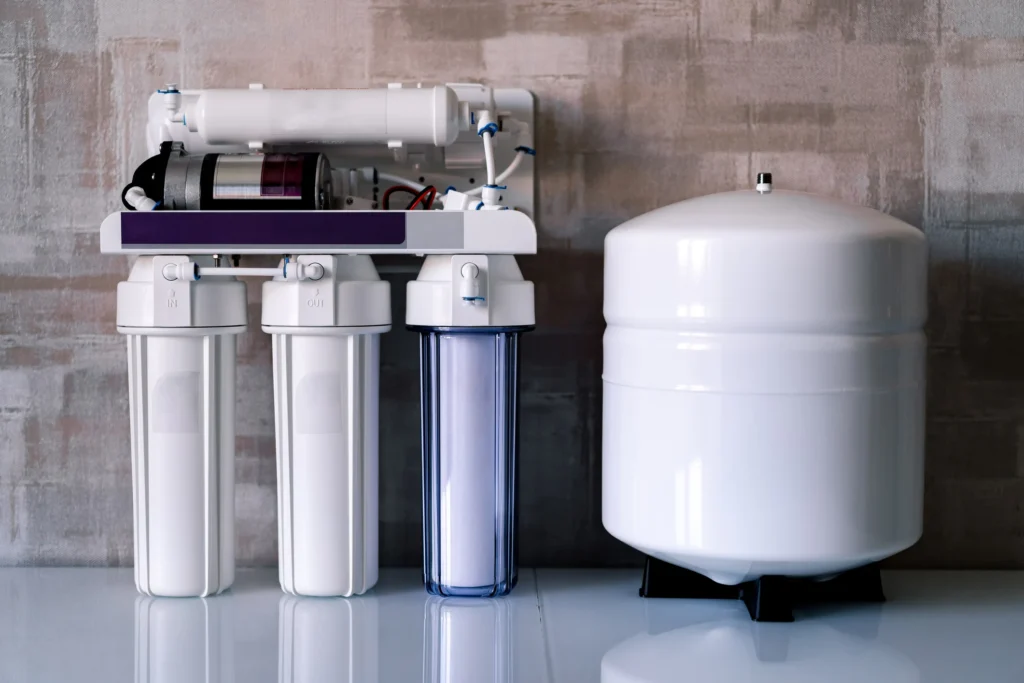
Reverse osmosis works differently. It uses pressure to push water through a semi-permeable membrane, reducing many dissolved substances. RO systems are often installed at the kitchen sink for drinking and cooking water.
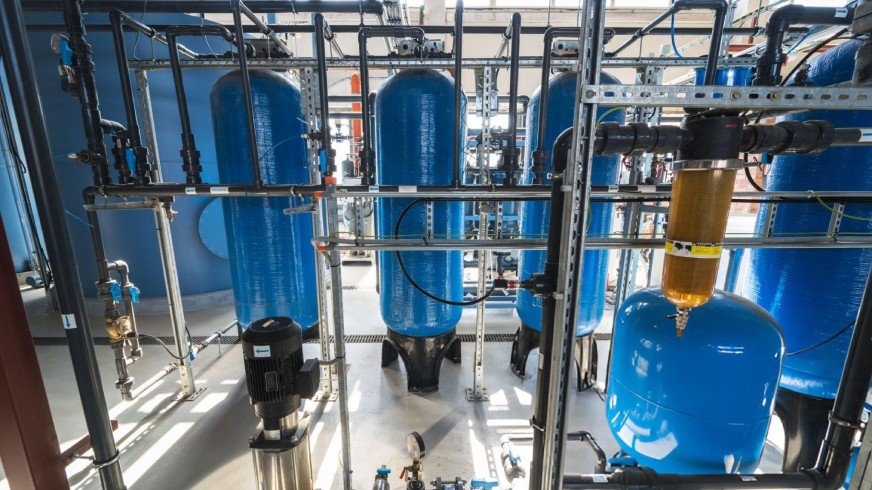
Whole-house filtration takes another approach by treating water as it enters the property. This can be useful when water-quality concerns affect showers, appliances, laundry, and other areas of the home.
The best option depends on the problem you’re actually trying to fix.
Testing Comes Before Guessing
Water may look perfectly clear and still contain substances that aren’t visible.
That’s why a free water analysis can be a helpful starting point when it’s offered by a reputable provider. It can provide useful information about your water and help determine whether treatment is appropriate.
However, it’s worth asking what the analysis includes. A basic screening isn’t necessarily the same as comprehensive laboratory testing.
Good water treatment companies should explain what they’re testing and what the results mean instead of using the test simply as a sales pitch.
You shouldn’t feel pressured into buying equipment just because someone handed you a report.
Think About Your Whole Household
A system should match your actual water usage.
A couple living in a small home may have very different needs from a family of five. Drinking and cooking requirements, available installation space, and daily water consumption all matter.
If you’re primarily concerned about kitchen drinking water, a point-of-use system may be sufficient.
If you’re dealing with hard water or sediment throughout the house, whole-home treatment may be more appropriate.
Sometimes a combination of technologies makes sense, too. For example, whole-house treatment can address general water concerns while a dedicated reverse osmosis system provides additional treatment at the kitchen sink.
Maintenance Is Part of the Deal
Water treatment equipment doesn’t take care of itself forever.
Filters need replacing. Reverse osmosis membranes eventually need attention. Connections and components may require inspection.
Before purchasing a system, ask about the maintenance schedule and replacement costs.
A system may look inexpensive at first but become frustrating if replacement filters are hard to find or unusually expensive.
Set reminders for maintenance. Keep track of when cartridges were installed. It sounds simple, but those small habits help keep equipment performing properly.
Installation Matters, Too
Even a quality filtration system can perform poorly when installed incorrectly.
Proper installation may involve checking water pressure, choosing the right connection points, configuring drainage, and making sure equipment is positioned safely.
Under-sink systems also need enough room for filters, tubing, and storage tanks.
A professional installer should explain how the system works and show you the basic maintenance steps before leaving.
That’s worth a lot more than simply having someone connect the pipes and disappear.
Make the Decision Based on Your Needs
The water treatment industry has no shortage of impressive claims. More stages, higher percentages, advanced technology — it can all become a bit overwhelming.
Try to keep the decision simple.
Test your water. Identify the actual concern. Decide where treatment is needed. Compare technologies, maintenance requirements, warranties, and long-term costs.
Most importantly, don’t assume that more equipment automatically means better water.
The right system is the one that solves your problem without creating a new one.
A Small Upgrade You Notice Every Day
Good drinking water doesn’t need to be complicated.
When the right filtration system is properly selected and maintained, it quietly becomes part of the background. You fill your glass. You make coffee. You cook dinner. You refill your bottle before leaving the house.
No fuss.
And perhaps that’s the best measure of a successful water treatment system. It doesn’t demand your attention. It simply makes one of life’s most ordinary necessities a little better, one glass at a time.