There’s something special about living in the Pennsylvania countryside. Quiet mornings, open farmland, and the independence of having your own water supply are all part of its appeal. But when your bathroom fixtures develop rusty stains or your tap water suddenly has an unfamiliar smell, owning a private well can feel a little more complicated.
For homeowners considering well water treatment in lancaster, understanding the characteristics of their groundwater is the first step toward finding a dependable solution.
Unlike households connected to municipal supplies, private well owners are responsible for monitoring their water quality. Fortunately, with reliable testing, suitable treatment equipment, and a few sensible maintenance habits, looking after your well doesn’t have to become an overwhelming responsibility.
Understanding What Happens Beneath Your Property
Groundwater travels through layers of soil and rock before reaching your well. Along the way, it can absorb naturally occurring minerals and encounter substances associated with surrounding environmental conditions.
Calcium and magnesium contribute to water hardness, while iron and manganese may cause staining and unpleasant flavors. In agricultural areas, nitrate contamination is another concern worth investigating.
Even two properties located along the same country road can have noticeably different water characteristics.
That’s why a treatment system that works wonderfully for your neighbor might not be suitable for your household.
Understanding your own water supply through appropriate laboratory testing provides a much more reliable foundation for treatment decisions than relying on someone else’s experience.
Related brief: Better Water at Home: Finding the Right Balance Between Whole-House Filtration and Drinking Water Systems
Finding Filtration That Addresses Everyday Water Concerns
Nobody particularly enjoys discovering gritty particles in a drinking glass or repeatedly cleaning orange stains from bathroom fixtures.
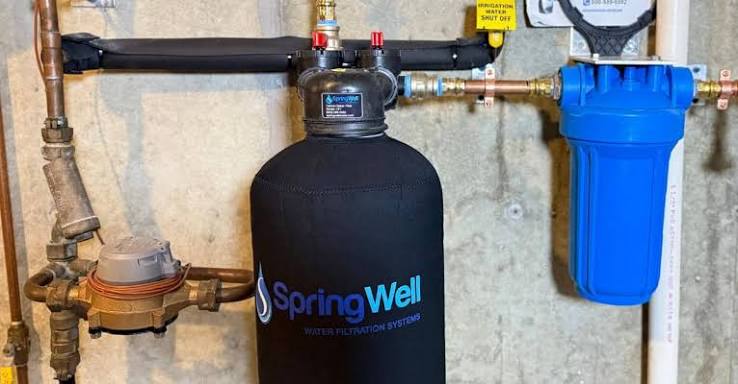
Properly selected private well water filtration can help address suspended particles, excessive mineral concentrations, and certain unwanted tastes or odors, depending on the technology used.
Sediment filters capture physical materials such as sand and silt. Specialized oxidation and filtration equipment may help reduce dissolved iron and manganese under suitable operating conditions.
Activated carbon can address certain organic substances and unpleasant flavors, although its effectiveness depends on the specific contaminants present.
Persistent sediment problems may also indicate an underlying issue with the well or pumping equipment.
Before installing filtration, investigate whether repairs or additional maintenance are necessary. Sometimes, correcting the source of a problem makes more sense than continuously treating its symptoms.
Why Every Well Deserves an Individual Treatment Plan
Water chemistry can be surprisingly complicated. One household might experience excessive hardness, while another struggles with staining, acidity, and unpleasant odors at the same time.
Effective customized well water treatment solutions take these differences into account by considering laboratory results, household consumption, incoming pressure, and specific treatment priorities.
A conventional water softener may be suitable for reducing calcium and magnesium. Another property might require dedicated iron removal equipment, ultraviolet disinfection, or reverse osmosis for specific drinking water concerns.
The order in which treatment components are installed matters, too. Appropriate preliminary filtration can help protect equipment further along the treatment process.
A thoughtfully designed system should address genuine water quality concerns without filling your utility room with unnecessary equipment.
Taking Water Testing Seriously, Even When Everything Looks Fine
It’s tempting to assume your well is perfectly healthy when the water appears clear and tastes pleasant. Unfortunately, some potentially harmful contaminants don’t produce noticeable warning signs.
Private well owners should arrange annual laboratory testing for common concerns such as bacteria and nitrate, along with additional assessments based on local conditions and professional guidance.
Testing is especially important after flooding, significant well repairs, or sudden changes in water appearance, taste, or odor.
If harmful contamination is suspected, use a verified safe alternative for drinking and cooking until corrective measures and appropriate testing confirm safety.
Keeping previous laboratory reports can also help you recognize changes over time.
A little attention now is considerably more reassuring than discovering a longstanding water quality problem later.
Managing Hard Water and Protecting Your Household Appliances
Those chalky deposits around bathroom faucets aren’t always just a cleaning problem. Excessive hardness can also contribute to mineral scale formation inside water heaters and other water-using equipment.
Conventional softening reduces dissolved calcium and magnesium through an ion-exchange process.
With suitable equipment, homeowners may notice fewer new mineral deposits and improved performance from certain soaps and detergents.
However, softening doesn’t automatically address bacteria, nitrate, or every other groundwater contaminant.
If you’re replacing an older dishwasher or investing in a new water heater, checking your well’s hardness levels beforehand is a worthwhile precaution.
Appropriate treatment can complement regular appliance maintenance and help reduce the conditions responsible for new scale formation.
Keeping Your Well and Treatment Equipment Working Reliably
Owning a private well comes with a few ongoing responsibilities, but they don’t need to dominate your weekends.
Inspect the visible wellhead for damage, follow recommended equipment servicing schedules, and pay attention to unexpected changes in water pressure or quality.
Filter cartridges eventually need replacement, softeners require regenerating salt, and specialized filtration media may need periodic servicing.
Before purchasing treatment equipment, ask about maintenance costs, replacement component availability, and documented performance capabilities.
Keeping a simple record of servicing dates and laboratory findings can make these responsibilities easier to manage.
The goal is dependable water treatment that fits naturally into your household routine.
Enjoying Country Living With Greater Confidence in Your Water
For families throughout Lancaster and Southeastern Pennsylvania, having a private well can be a rewarding part of homeownership.
Taking proper care of that supply begins with reliable testing, thoughtful equipment selection, and consistent maintenance.
Perhaps the benefits will appear in ordinary moments — fewer new stains on freshly washed towels, more enjoyable drinking water, or less time spent removing mineral deposits.
Your well supports everything from preparing breakfast to washing muddy gardening clothes at the end of the day.
Giving this essential resource the attention it deserves is a practical investment in your family’s comfort, responsible homeownership, and the simple pleasures of Pennsylvania country living.