You ever walk into your bathroom and notice a white, crusty ring around the faucet? Or maybe you’ve noticed your dishes come out of the dishwasher looking like they’ve been dipped in chalk. It’s not your cleaning skills. It’s not your imagination. It’s your water—and it’s probably hard.
Hard water isn’t some scary health issue. But it is a massive nuisance that creeps up slowly. One day it’s a little spot on the glassware. The next, your water heater is struggling and your skin feels like sandpaper. So, what gives?
Let’s sit down and talk real-life problems and real-life fixes for dealing with hard water—no tech jargon, no over-complicated science. Just helpful, human-friendly advice.
It All Starts at the Faucet (and That Weird White Buildup)
If you’ve ever tried to clean your kitchen or bathroom fixtures and they still looked like they were sprinkled with powdered sugar afterward… you’ve met the enemy: mineral deposits.
Related brief: Why Quality Water Treatment Parts Matter More Than Most People Realize
Mineral deposits in faucets are more than just unsightly. They’re the product of calcium and magnesium left behind when hard water dries on your surfaces. Over time, they don’t just sit on the outside. They build up inside the fixture, narrowing the flow of water, wearing down seals, and eventually turning your once-trusty faucet into a sad dribble machine.
And good luck trying to scrub it off with basic cleaner. Most of that crust needs vinegar, elbow grease, or in some cases, complete fixture replacement.
Hard Water Doesn’t Just Mess with Metal
Beyond your faucet woes, hard water finds sneaky ways to make your life harder. It shortens the lifespan of appliances like your dishwasher and washing machine. It leaves that invisible residue on your clothes. Your hair might feel like straw. Your soap doesn’t lather quite right. And that’s not even the worst of it.
All these little problems come back to one source: water that’s rich in minerals but poor in cooperation.
Now, here’s where things get interesting. The market is filled with water hardness solutions, but they’re not all created equal. You’ve got water conditioners, magnetic systems, electronic descalers, and traditional salt-based water softeners. Some work well. Others? Mostly just buzzwords and marketing fluff.
It’s not about the most expensive gadget—it’s about choosing what actually fits your home and your water profile.
So… What’s the Fix That Actually Works?
We’ve all fallen into that research rabbit hole at some point. Maybe you Googled a few late-night forums or watched a couple of YouTube “fix-it” videos. Everyone has an opinion, and somehow they all contradict each other.
If you’re overwhelmed, I get it. Here’s the simplified, real-world truth: If you want to tackle hard water seriously and consistently, you need a proper softener. And yes, that means finding a water softener recommendation that’s actually worth trusting.
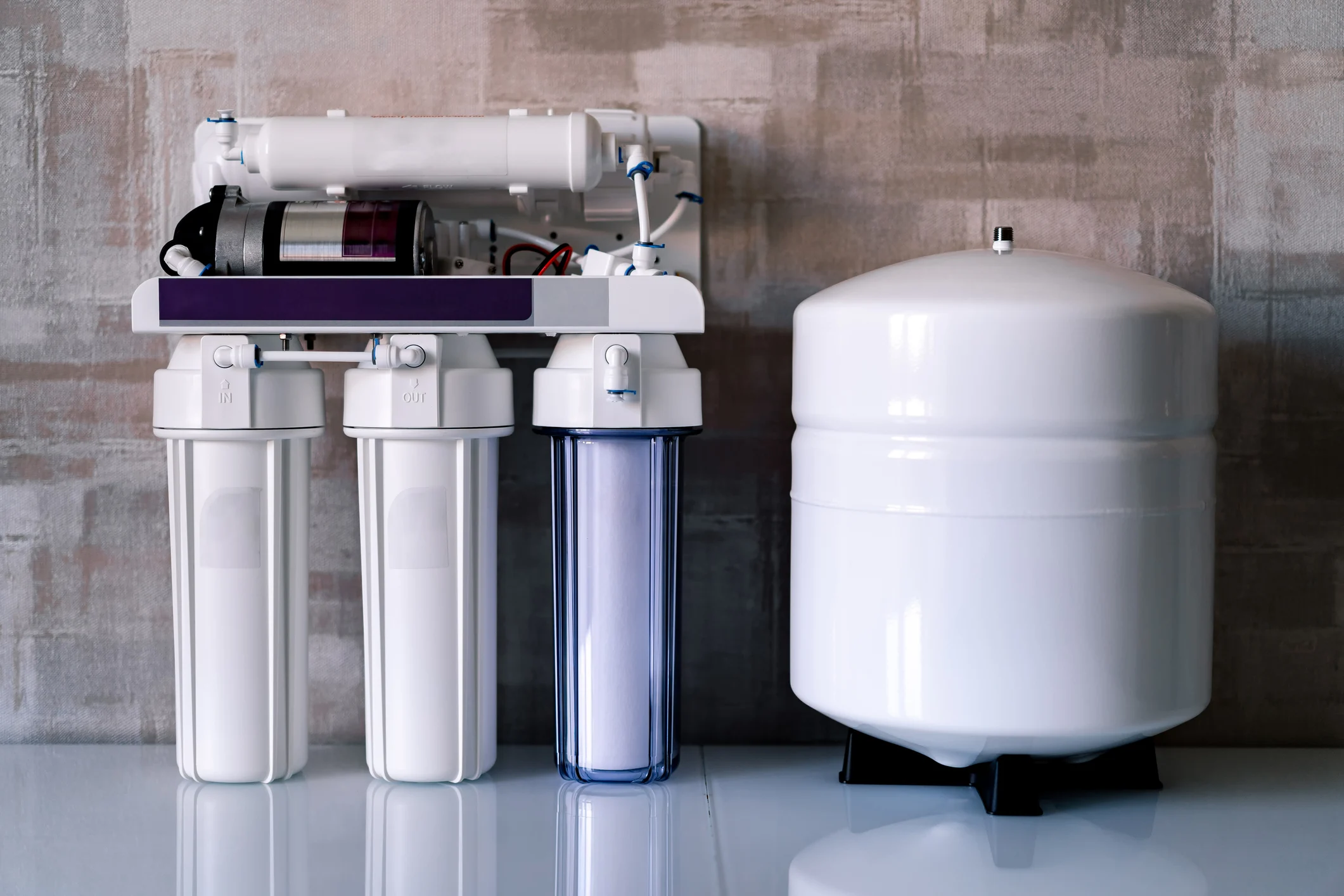
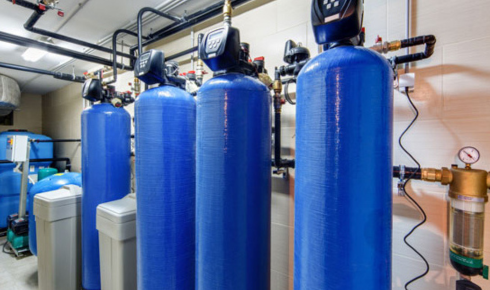
For most households, a salt-based water softener is the go-to. It removes calcium and magnesium through ion exchange—basically swapping them for sodium, which doesn’t create scale. This means cleaner dishes, longer-lasting appliances, and even smoother skin and hair.
But you’ve also got salt-free conditioners (great for folks watching sodium intake or with eco concerns) and dual-tank systems for homes with high usage. The right choice depends on how hard your water is, how many people are in your home, and how hands-on you want to be with maintenance.
Maintenance Isn’t a Dirty Word (Neither Is “Salt Refill”)
Here’s the thing—no matter which softening route you take, you’ll need to do something. A salt-based system needs the occasional bag of pellets. A filter needs replacing every so often. Even a descaler needs a check-in to make sure it’s still operating right.
But don’t let that scare you. These systems aren’t needy. Most homeowners check their softeners once a month at most. In return? You get better water, a longer-lasting home, and no more arguing with stubborn soap scum on the shower walls.
That’s a pretty fair trade if you ask me.
If You’re Still on the Fence, Here’s the Bottom Line
You don’t need to solve your water issues overnight. But ignoring them won’t make them go away either. The longer you let mineral-rich water run through your home, the more damage it does—silently, sneakily.
Whether you go full-throttle with a whole-home softener or start small with a filtered showerhead, you’re taking a step toward protecting your space, your stuff, and your sanity.
And that little white crust on your faucet? Consider it a sign. A not-so-subtle reminder that your water might need a little adjustment.
Final Thought: The Water You Don’t See Still Affects Everything
Water touches every part of your daily life—from the first sip you take in the morning to the last rinse of your face before bed. When it’s not quite right, it shows up in ways you might not expect.
If your faucets are crusty, your dishes are spotty, and your showers feel like a battle between soap and science, then it’s time. Time to look into real solutions that actually make life easier.
And once you’ve seen the difference? You’ll wonder why you didn’t fix it sooner.