Water is one of those quiet necessities that keeps a business moving. Nobody walks into a restaurant and thinks about the filtration equipment in the back room. Hotel guests don’t wonder how the water reaching their shower was treated. Employees simply expect the water from the break-room faucet to taste clean and look clear.
But behind the scenes, water quality can have a surprisingly large effect on daily operations. Sediment, chlorine, hardness, unpleasant odors, and other water-quality concerns may affect equipment, beverages, cleaning, and maintenance. When those problems start adding up, what seemed like a small water issue can become a business headache.
Choosing the right filtration approach, therefore, isn’t just about buying a filter. It’s about understanding what the business actually needs.
Start With the Water, Not the Equipment
It’s tempting to begin the search by looking at products. There are plenty of them, each promising cleaner water and impressive performance. But a product should come after understanding the water.
A professional water test can provide useful information about hardness, sediment, chlorine, iron, pH, dissolved solids, and other characteristics. The exact testing needed depends on the water source and how the business uses its water.
This step might feel like slowing things down, but it usually does the opposite. Knowing the problem makes it easier to choose the right solution and avoid spending money on equipment that doesn’t address the actual issue.
Why Commercial Filtration Matters
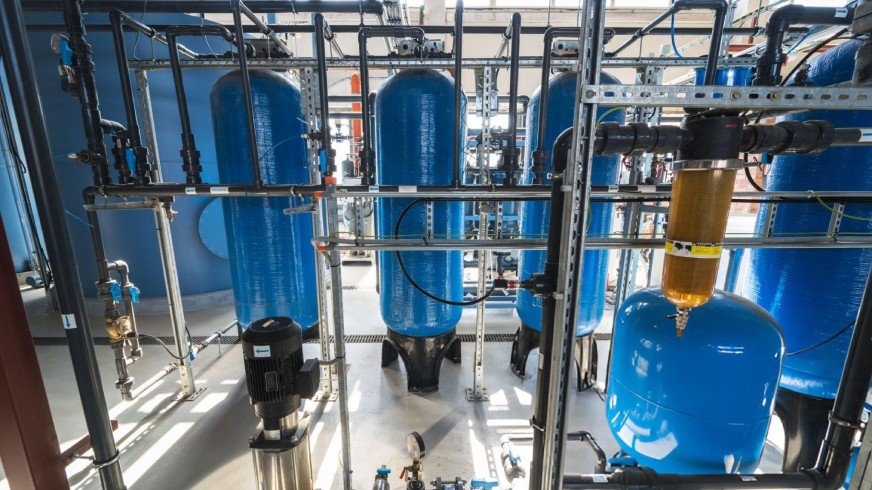
Businesses often have much higher water demands than a typical household. A restaurant may use water for cooking, beverages, dishwashing, ice production, and cleaning. A hotel has showers, laundry, kitchens, and numerous guest fixtures. Manufacturing facilities may have even more specialized requirements.
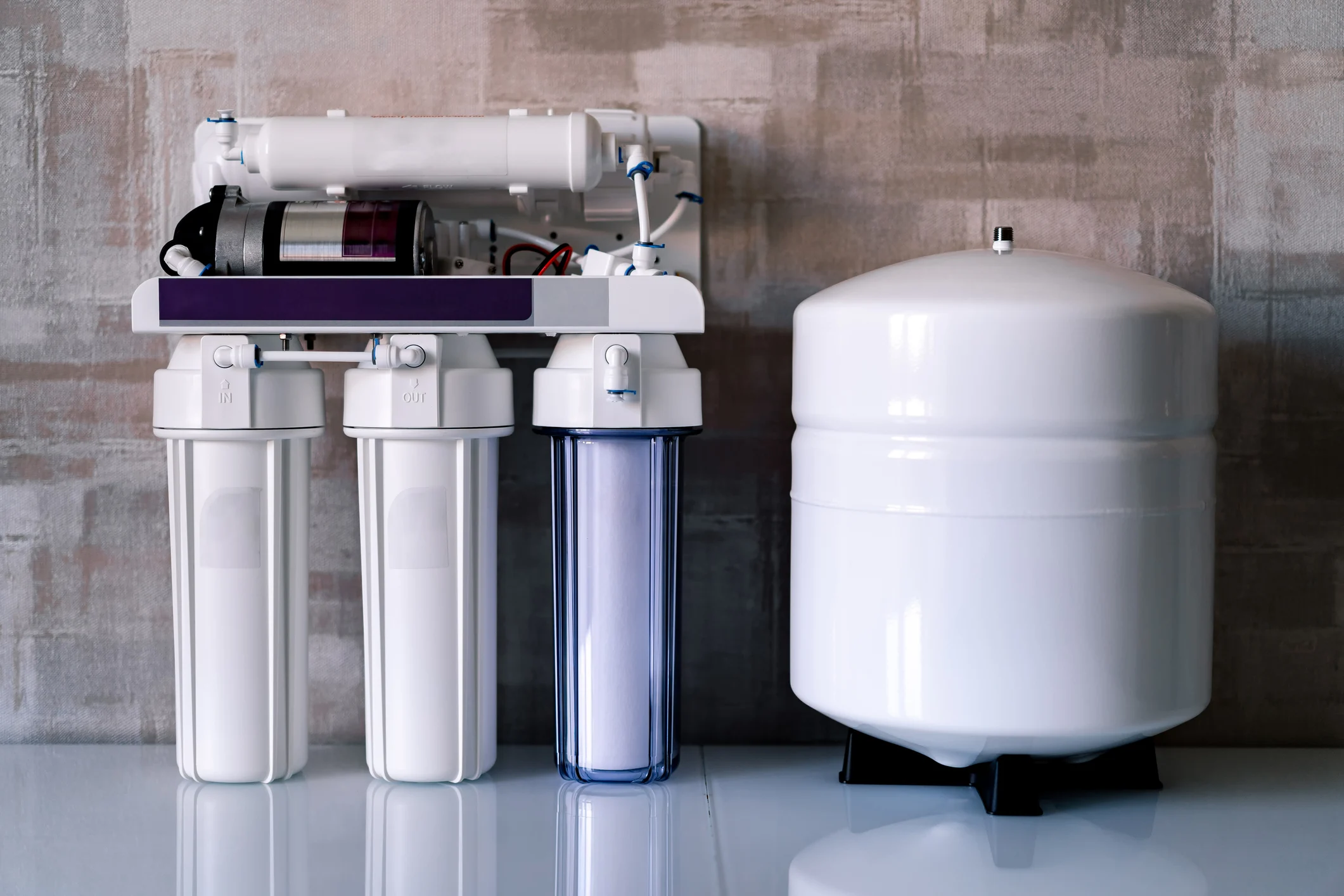
That’s where commercial water filters become important. Proper filtration can help reduce sediment, improve taste and odor, and address specific water-quality concerns depending on the filter technology selected.
Related brief: Why Cleaner Water Can Make Your Home Feel Healthier Every Day
The important part is matching the filter to the application. A sediment filter and a carbon filter do different jobs. Specialty filtration can handle other concerns. There isn’t one cartridge that magically solves every water problem.
Think About How the Business Uses Water
Water usage patterns can tell you a lot about what kind of system is needed.
A small office might have modest demand throughout the day. A busy café can experience sudden peaks during breakfast and lunch. A hotel may have heavy water consumption early in the morning when many guests are showering at once.
These differences matter.
A filtration system needs to handle the required flow without creating unnecessary pressure problems. Looking only at average daily consumption can sometimes hide the real challenge.
Peak demand should be considered before installation. It’s much easier to size a system correctly at the beginning than to discover later that it can’t keep up during the busiest hour of the day.
Centralized or Point-of-Use Filtration?
Not every business needs water filtered throughout the entire building.
Some facilities may only need treated water at particular locations. A restaurant, for example, might prioritize its drinking-water station, coffee equipment, ice machine, and cooking areas.
Other businesses may benefit from centralized treatment at the building’s incoming water supply.
The right choice depends on the facility, water quality, equipment, and budget. A point-of-use approach can be practical when only certain applications require additional treatment, while centralized filtration may offer broader coverage.
There’s no need to treat every gallon of water in exactly the same way if the business doesn’t require it.
Protecting Expensive Equipment
Commercial equipment isn’t cheap. Dishwashers, coffee machines, ice makers, water heaters, boilers, beverage systems, and other water-dependent equipment can represent a significant investment.
Water quality can affect how these machines perform over time.
Hardness may contribute to scale. Sediment can interfere with valves or small components. Certain chemicals may affect taste or equipment materials.
Filtration can help manage some of these concerns, although it should never be treated as a substitute for routine equipment maintenance.
A sensible water-treatment plan works alongside regular cleaning, inspections, and manufacturer-recommended service.
What Makes Filtration Reliable?
Businesses need more than a filter that works well on the day it is installed. They need a system that continues performing as water demand changes and components naturally wear.
That’s why reliable filtration for your business should involve more than simply choosing a popular product.
Consider filter capacity, flow rate, replacement intervals, operating costs, maintenance requirements, and service availability. A dependable system should be practical for the people responsible for maintaining it.
If changing a filter requires complicated procedures or expensive service every few weeks, the system may become a burden.
Simple is often better.
Maintenance Is Easy to Forget
Water filtration equipment usually works quietly in the background. That’s convenient, but it also makes maintenance easy to overlook.
Filters become saturated. Components age. Connections should occasionally be inspected. Some systems need pressure checks or other service.
A basic maintenance calendar can prevent many avoidable problems. Record installation dates, filter changes, inspections, and service visits. If several pieces of equipment depend on treated water, keeping those records together can make planning easier.
It’s not exciting, admittedly. But neither is an emergency repair bill.
Consider the Cost Beyond Installation
Price matters, but the initial purchase price tells only part of the story.
Businesses should consider replacement filters, professional service, electricity where applicable, wastewater, labor, and other operating expenses.
A lower-priced system might appear attractive until replacement components become expensive or difficult to obtain. On the other hand, a more advanced system isn’t automatically the best value.
The smartest choice balances performance, maintenance, operating costs, and expected service life.
Choosing the Right System for the Job
For some businesses, a straightforward filtration setup may be all that’s necessary. Others may need multiple treatment stages, softening, reverse osmosis, ultraviolet treatment, or specialty filtration.
The right commercial water filtration system should be selected according to actual water conditions and business requirements—not because it has the longest feature list.
Start with testing. Understand the water. Calculate peak demand. Consider where treated water is genuinely needed, and think about maintenance before making the final decision.
Good filtration doesn’t need to be complicated or flashy. When it’s properly designed, installed, and maintained, it simply works in the background.
And for a busy business, that’s exactly what you want. Clean, dependable water should support the operation—not become another problem waiting for someone’s attention.