There’s a certain comfort in things working the way they should. You turn on the tap, and the water feels clean, tastes fine, doesn’t leave spots everywhere, doesn’t make you second-guess using it.
But when something’s off—even slightly—you notice. Maybe it’s the way soap doesn’t lather properly. Or the faint smell you can’t quite ignore. Or how your kettle seems to collect that chalky layer faster than it should.
It’s not dramatic. But it’s enough to make you pause.
And that’s usually where the journey toward better water begins.
Why Small Water Issues Don’t Stay Small Forever
A lot of people live with minor water problems for years. Hard water, odd taste, residue on dishes—it becomes part of the routine. You adapt without even realizing it.
But over time, these small inconveniences tend to grow into bigger ones.
Mineral buildup can shorten the life of appliances. Chlorine or other additives can affect taste and smell. And sometimes, there’s just a general sense that your water could be… better.
Not perfect. Just better.
That’s when people start exploring options—not out of urgency, but out of curiosity.
The First Upgrade Many Homes Consider
Related brief: Why Cleaner Water Can Make Your Home Feel Healthier Every Day
For homes dealing with hard water, the change often starts with a water softener install. It’s one of the more noticeable upgrades, especially if hardness has been causing issues for a while.
Softeners work by reducing the minerals—mainly calcium and magnesium—that cause scaling and interfere with soap performance. Once installed, the difference can feel immediate. Showers become smoother. Laundry feels softer. Even cleaning becomes a bit less of a chore.
It’s not a flashy transformation. But it’s one you feel in small, everyday ways.
And for many households, it’s enough to solve the main problem.
Looking at the Bigger Picture of Your Home’s Water
But sometimes, hardness isn’t the only concern.
Maybe the water smells slightly chlorinated. Or you’ve noticed sediment in certain taps. Or you just want a more consistent level of quality throughout the house—not just in one area.
That’s where a whole home filter install starts to make sense.
Instead of targeting a single issue, these systems treat water as it enters your home. Every tap, every shower, every appliance benefits from that initial filtration. It’s a more comprehensive approach.
What people often notice isn’t just cleaner water—it’s the consistency. The water feels the same throughout the house. No surprises, no variations.
And there’s something reassuring about that.
When Drinking Water Becomes a Priority
Even with whole-home systems in place, many people still focus on one specific thing: what they drink.
Because drinking water feels different. More personal.
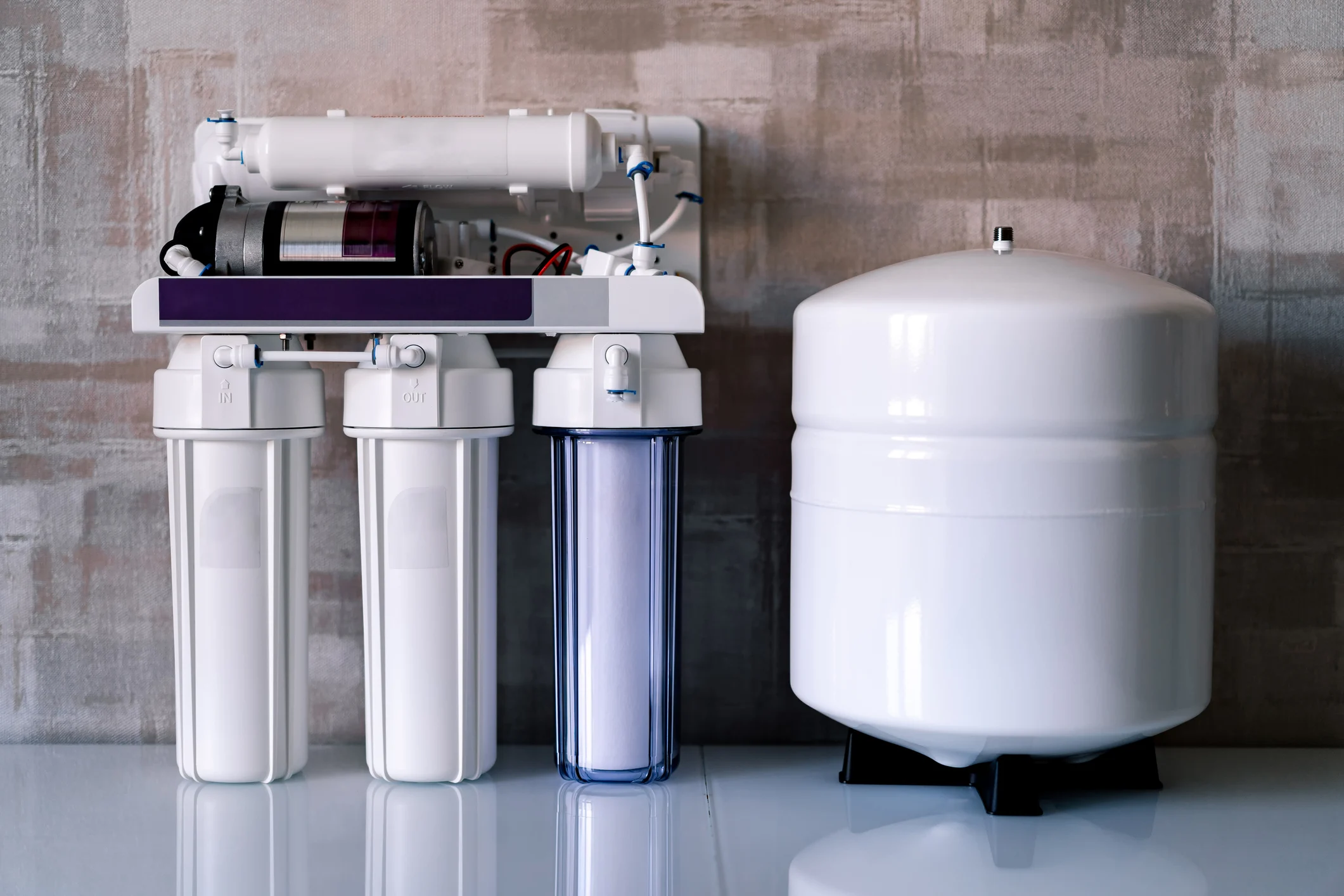
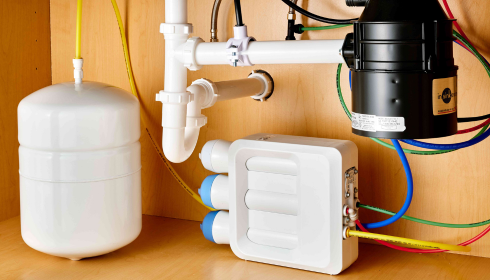
That’s why a lot of homeowners consider an RO system setup for their kitchen. Reverse osmosis systems are designed to remove a wide range of dissolved substances, giving you water that tastes noticeably cleaner.
It’s the kind of difference you don’t always expect until you try it. Tea tastes better. Coffee feels smoother. Even plain water becomes more enjoyable.
And once you get used to it, it’s hard to go back.
Why Installation Matters More Than the Equipment
Here’s something that doesn’t get enough attention: how these systems are installed matters just as much as what you choose.
A poorly installed system can lead to pressure issues, leaks, or inconsistent performance. Even high-quality equipment won’t perform well if it’s not set up correctly.
On the other hand, a well-installed system blends into your home seamlessly. You don’t have to think about it. It just works.
That’s the goal.
So whether you’re going for a softener, a filter, or an RO unit, taking the time to ensure proper installation is worth it. It saves you from headaches down the line.
Not Every Home Needs Everything
One of the most common questions people ask is: “Do I need all of these systems?”
And the honest answer is—probably not.
Every home is different. Water sources vary. What works perfectly for one household might be unnecessary for another.
Some homes only need a softener. Others benefit more from filtration. And some might combine a couple of systems for broader coverage.
The key is understanding your water first, rather than jumping straight into solutions.
The Quiet Benefits You Notice Over Time
One of the interesting things about improving your home’s water is that the benefits aren’t always immediate or obvious.
They show up gradually.
Your appliances last longer. Your cleaning routine becomes easier. Your skin feels less dry. You stop noticing unpleasant tastes or smells because they’re simply not there anymore.
It’s a series of small improvements that, over time, make a noticeable difference.
And then there’s the peace of mind. Knowing your water is being treated properly—without having to think about it every day.
Starting Without Overthinking It
If you’re thinking about upgrading your water system, it’s easy to feel overwhelmed by the options.
So keep it simple.
Start by paying attention to what you’re experiencing. Hard water? Taste issues? Odor? These clues are more helpful than you might think.
From there, consider testing your water. Even a basic test can guide your decisions and help you avoid unnecessary upgrades.
And then, take it one step at a time.
A Final Thought That Feels Practical
Water doesn’t need to be perfect. It just needs to work well for your home and your routine.
Whether that means softening it, filtering it, or refining what you drink, the goal is the same—to make everyday life a little smoother, a little more comfortable.
Because when your water feels right, everything else tends to fall into place.
And honestly, that’s all most of us are really looking for.