
A reliable supply of hot water is something most of us simply expect. It’s there when we step into the shower before work, when we wash dishes after dinner, or when the washing machine tackles another load of laundry. We hardly give it a second thought—until the water suddenly turns cold or the utility bill climbs higher than expected.
The truth is, your water heater is one of the hardest-working appliances in your home. It operates quietly behind the scenes every day, often for years without much attention. But like any mechanical system, it benefits from smart decisions, regular care, and, when the time comes, a thoughtful upgrade.
Choosing the right water heater isn’t just about replacing old equipment. It’s about improving efficiency, reducing long-term costs, and creating a home that’s more comfortable to live in every single day.
Why Your Water Heater Deserves More Attention
Unlike appliances that are switched on only when needed, a water heater remains ready around the clock. Even while you’re sleeping, it’s maintaining water temperature so hot water is available the moment someone opens a tap.
That constant workload naturally creates wear over time. Heating elements age, thermostats become less accurate, valves wear down, and minerals gradually collect inside the tank.
Most homeowners don’t notice these changes immediately because they happen slowly. One day the shower lasts twenty minutes, and months later it lasts only twelve. The decline is gradual, making it easy to overlook until performance becomes impossible to ignore.
Understanding how your system works helps you recognize those subtle changes before they become expensive problems.
Efficiency Matters More Than Ever
With utility costs continuing to rise, homeowners are paying closer attention to energy consumption than they did a decade ago.
Older water heaters often consume considerably more electricity or gas than modern alternatives. Years of sediment buildup, aging components, and outdated technology force them to work harder simply to maintain normal water temperatures.
Related brief: What to Know About Nitrates in Water Before Choosing a Treatment System
Today’s energy efficient water heaters are designed to minimize heat loss, improve recovery rates, and reduce operating costs without sacrificing performance. Better insulation, advanced controls, and improved burner or heating element designs allow these systems to produce reliable hot water while using less energy.
The monthly savings may appear modest at first, but over the life of the appliance they often become substantial.
Finding the Right Size for Your Home
One common mistake homeowners make is assuming that bigger automatically means better.
In reality, an oversized water heater wastes energy, while an undersized unit struggles to meet household demand.
The ideal size depends on several factors:
- Number of people living in the home
- Daily hot water usage
- Number of bathrooms
- Simultaneous appliance use
- Peak demand periods
A family of five naturally requires a different solution than a retired couple or someone living alone.
Selecting equipment based on actual usage rather than guesswork improves both efficiency and comfort.
Tank or Tankless?
Many homeowners eventually face this question when replacing an older system.
Traditional storage tank water heaters remain popular because they’re familiar, affordable, and capable of supplying large amounts of hot water during normal household routines.
Tankless models, meanwhile, heat water only when needed. Because they eliminate standby heat loss, they often reduce energy consumption while providing continuous hot water.
Neither option is universally better.
The right choice depends on your home’s plumbing, budget, available space, and daily water usage habits.
A thoughtful evaluation usually produces better results than simply choosing the newest technology.
Installation Is More Important Than Many Realize
Even the highest-quality water heater won’t perform properly if it’s installed incorrectly.
Water pressure, gas lines, electrical wiring, venting systems, expansion tanks, drainage, and local building codes all influence how safely and efficiently the equipment operates.
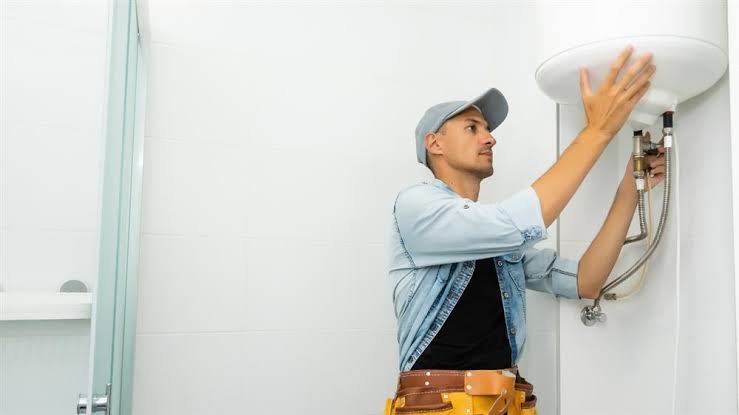
That’s why professional installation remains one of the most valuable parts of any replacement project.
Experienced installers ensure every component functions correctly from day one while helping homeowners avoid unnecessary repairs, reduced efficiency, or warranty complications later.
Proper installation also creates confidence that the system will perform as intended for years to come.
Maintenance Still Makes the Biggest Difference
Buying a new water heater isn’t the end of the story.
Like any major appliance, routine maintenance plays a significant role in determining how long it lasts.
Flushing sediment from storage tanks, inspecting pressure relief valves, checking thermostats, monitoring the anode rod, and looking for early signs of leaks all contribute to better long-term performance.
These maintenance visits don’t require much time, but they often prevent major breakdowns while extending the equipment’s lifespan considerably.
Small investments in preventive care almost always cost less than emergency repairs.
Recognizing When It’s Time for an Upgrade
Many homeowners continue repairing aging water heaters because the system still works “well enough.”
Sometimes that’s perfectly reasonable.
Other times, repeated repairs, rising utility bills, inconsistent temperatures, rusty water, and reduced hot water capacity signal that replacement has become the more economical choice.
Waiting too long may increase the risk of a leaking storage tank or complete system failure—both of which can create unnecessary stress and unexpected expenses.
Planning ahead allows homeowners to compare options carefully instead of making rushed decisions during an emergency.
Choosing Long-Term Value Over Short-Term Savings
Price naturally matters, but it shouldn’t be the only factor guiding your decision.
Lower-priced equipment may cost less upfront while requiring more frequent maintenance or consuming additional energy throughout its life.
Comprehensive water heater solutions focus on overall value rather than simply replacing equipment. This means evaluating your home’s needs, recommending appropriately sized systems, ensuring proper installation, and supporting long-term maintenance.
Looking at the complete picture usually results in lower ownership costs over the lifespan of the appliance.
It’s a smarter investment than choosing based solely on the initial purchase price.
Building Confidence Through Reliable Performance
One of the biggest benefits of a properly selected and maintained water heater isn’t something you can easily measure.
It’s peace of mind.
Knowing that your family has dependable hot water every morning, that utility bills remain predictable, and that the equipment is operating safely allows you to focus on everything else life demands.
That’s the quiet value of a reliable water heating system—it simply works without constantly demanding your attention.
And honestly, that’s exactly what every homeowner hopes for.
Final Thoughts
Hot water has become such an ordinary part of modern life that it’s easy to forget how much we depend on it until something goes wrong. From morning routines to evening chores, a dependable water heater supports countless everyday moments without much recognition.
Investing in an efficient system, choosing the right size, scheduling regular maintenance, and relying on qualified professionals all contribute to years of dependable performance. These decisions not only improve comfort but also reduce energy costs and help protect one of your home’s most important appliances.
In the end, choosing the right water heater isn’t simply about replacing old equipment. It’s about creating a home that’s more efficient, more reliable, and better prepared to meet your family’s needs for many years to come.
