
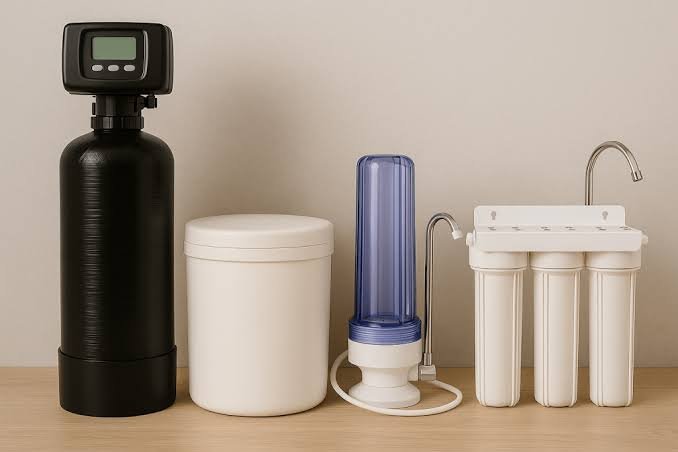
Clean water is something people often take for granted until a strange taste, unusual smell, or water quality concern appears. Whether it is hard water leaving spots on dishes, unwanted chemicals affecting taste, or worries about contaminants entering the supply, many homeowners eventually start looking for better filtration options.
The good news is that water treatment technology has come a long way. Today, there are several advanced methods designed to target specific problems. However, choosing the right solution can feel confusing because every system works differently. Understanding how various filtration technologies operate makes it easier to invest in a system that fits your home and your water needs.
Understanding Why Water Filtration Matters
Water can pick up different substances as it travels through pipes, soil, and treatment facilities. Some contaminants occur naturally, while others may come from industrial activity, agricultural runoff, or aging infrastructure.
Even water that looks perfectly clear may contain unwanted elements. Minerals like calcium and magnesium can cause hardness, while chemicals, metals, and organic compounds may affect taste, odor, or overall quality.
A proper filtration system is not just about making water look better. It is about improving confidence in what your family drinks, cooks with, and uses every day. The first step is always identifying the specific issue through water testing.
Related brief: What to Know About Nitrates in Water Before Choosing a Treatment System
How Activated Carbon Filtration Works
One of the most popular approaches for improving household water quality is carbon-based filtration. Carbon has a highly porous structure, allowing it to trap many unwanted substances as water passes through.
activated carbon filtration is commonly used to reduce chlorine taste, unpleasant odors, and certain organic compounds. Many refrigerator filters, countertop filters, and whole-house systems use some form of activated carbon because it is effective and relatively simple to maintain.
Think of it like a sponge with millions of tiny spaces. As water flows through, contaminants can attach to the carbon surface while cleaner water continues through the system. Of course, not every carbon filter removes every contaminant, which is why selecting the correct type of filter matters.
Maintenance is also important. A filter that has reached the end of its useful life may not perform as expected, and regular replacement keeps the system working efficiently.
Reverse Osmosis for Deeper Water Purification
For homeowners looking for a more advanced purification method, reverse osmosis has become a widely recognized option. Unlike basic filtration, reverse osmosis uses pressure to push water through a semi-permeable membrane that blocks many dissolved contaminants.
reverse osmosis systems are often installed under kitchen sinks because they provide highly purified drinking and cooking water directly at the tap. They can reduce a wide range of impurities, including certain salts, heavy metals, and other dissolved substances.
One thing people sometimes misunderstand about reverse osmosis is that it is not necessarily designed to treat every gallon of water entering the home. Instead, many systems focus on the water people consume most.
These systems usually include multiple filtration stages, such as sediment filters and carbon filters, before water reaches the RO membrane. This combination helps protect the membrane and improve overall performance.
The Role of Anion Exchange Treatment
Some water concerns require more specialized solutions. Certain contaminants have unique chemical properties that standard filters may not handle effectively. This is where ion exchange technology becomes valuable.
anion exchange treatment works by using specially designed resin materials that attract and exchange negatively charged ions in water. This method is commonly used for removing specific contaminants, including certain types of nitrates, sulfates, and other unwanted ions.
The technology may be especially useful in areas where groundwater contains elevated levels of specific minerals or chemicals. Because water conditions vary from one location to another, professional testing is often necessary before selecting this type of treatment.
A treatment system should always match the problem. Installing a complex system without knowing what is actually present in the water can lead to unnecessary costs and maintenance.
Comparing Different Filtration Options
There is no single “best” water filtration system for every household. The right choice depends on your water source, budget, and the contaminants you want to address.
Carbon filtration is often a practical choice for improving taste and removing common chemicals. Reverse osmosis is better suited for homeowners who want a higher level of purification for drinking water. Ion exchange systems can provide targeted treatment for specific water chemistry challenges.
Some homes may even benefit from combining multiple technologies. For example, a whole-house carbon filter may improve general water quality, while a reverse osmosis system provides purified water at the kitchen faucet.
Making a Smart Water Treatment Decision
Before purchasing any filtration equipment, start with a professional water analysis. Understanding what is actually in your water prevents guesswork and helps you choose an effective solution.
It is also worth considering long-term factors, including filter replacement costs, system maintenance, water waste, and installation requirements. A cheaper system may not always be the most affordable option over several years.
Quality water treatment is an investment in your home and daily comfort. The right system can improve taste, protect appliances, and provide peace of mind every time you turn on the tap.
Final Thoughts on Better Water Quality
Modern filtration technology gives homeowners more control over their water than ever before. From simple carbon filters to advanced purification methods, there are solutions available for nearly every type of water concern.
The key is understanding your water first and choosing a system based on real needs, not just marketing promises. With proper testing, regular maintenance, and the right technology, cleaner and better-tasting water can become a normal part of everyday life.
