A home has a way of telling you when something isn’t quite right. Maybe the shower suddenly feels weaker than usual, the water bill has climbed for no obvious reason, or you hear water running long after everyone has left the bathroom. These things can seem harmless, especially when the taps still work and the toilets still flush. But plumbing problems often start with small changes, and noticing them early can save you a lot of trouble.
Your plumbing system works quietly in the background every day. It delivers water for cooking, bathing, cleaning, and countless ordinary tasks we barely think about. When something goes wrong, even a minor fault can interrupt your routine or cause damage that spreads beyond the original problem.
The trick is knowing which signs deserve attention, what might be causing them, and when it’s time to call a professional.
When Water Pressure Suddenly Changes
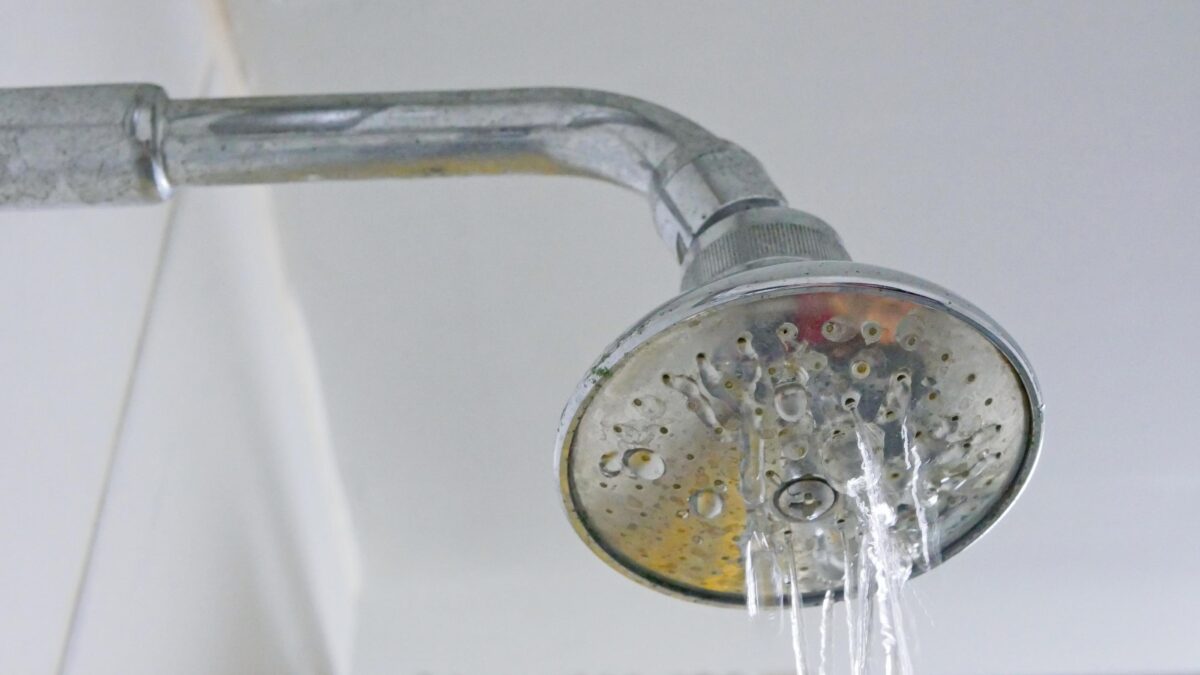
Few things are more frustrating than stepping into the shower and finding that the water barely trickles out. A noticeable drop in pressure can make washing dishes, filling a bathtub, and completing everyday chores take longer than they should.
Low water pressure can have several causes. Sometimes the explanation is simple: an aerator is clogged with mineral deposits, a showerhead needs cleaning, or a valve hasn’t been opened fully. In other situations, the problem may involve a leak, a pressure regulator, or an issue with the property’s water supply.
Start by checking whether the pressure problem affects one fixture or the entire house. If only a kitchen faucet is affected, the obstruction may be local. If several taps suddenly produce weak flow, the cause could be farther upstream.
Related brief: Finding the Right Commercial Water Filtration for a Business That Can’t Afford Disruptions
It’s also worth asking whether neighbors are experiencing similar problems. A temporary supply interruption or maintenance work in the area may explain the change.
Don’t confuse water pressure with water flow, either. They are related but not identical. A partially blocked pipe, for example, can restrict the amount of water reaching a fixture even when the underlying supply pressure is reasonable.
If pressure drops suddenly, continues getting worse, or occurs alongside damp patches and unexplained water use, arrange a plumbing inspection rather than assuming the problem will disappear on its own.
The Risks of Damaged Plumbing Pipes
Pipes are designed to last, but they aren’t indestructible. Age, corrosion, poor installation, excessive pressure, shifting building materials, and accidental impacts can all affect their condition.
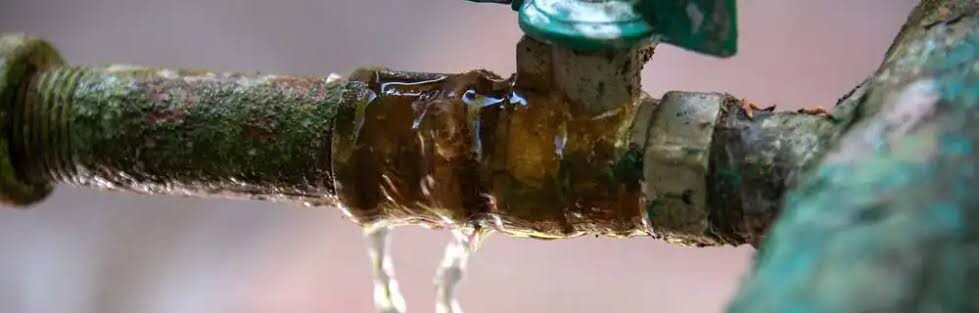
Damaged pipes don’t always produce an obvious stream of water. A small crack or loose joint may release only a little moisture at a time. That water can seep into cabinets, wall cavities, ceilings, or flooring, where it may damage materials long before the leak becomes visible.
Look for signs such as persistent dampness, peeling paint, unexplained stains, musty odors, or a water meter that continues moving when water isn’t being used. These clues don’t prove a pipe is leaking, but they are good reasons to investigate.
If you discover a leak, shut off the relevant water supply if it’s safe to do so. For a significant leak, use the main shutoff valve and contact a qualified plumber. Avoid cutting into walls or removing flooring without understanding where the pipes and electrical wiring are located.
The right repair depends on the cause and the condition of the pipe. A sound pipe with a faulty connection may need a relatively simple repair, while widespread corrosion or repeated leaks could indicate that a larger section needs replacement.
Fixing the visible leak is important, but understanding why it happened matters just as much. Otherwise, another weak point may fail a few weeks or months later.
Why a Running Toilet Can Waste Water
A toilet that keeps making noise after flushing is easy to ignore. You might assume the sound will stop eventually, or that a little extra water isn’t worth worrying about. Unfortunately, a toilet that continues running can waste a surprising amount of water over time.
Running toilets commonly have problems involving the flapper, fill valve, float, or another part of the flushing mechanism. A worn flapper may allow water to escape slowly from the tank into the bowl, causing the fill valve to activate repeatedly. A float set incorrectly can also prevent the tank from shutting off at the right level.
One simple check is to listen after the tank has refilled. If you hear continuous hissing, trickling, or repeated refilling, something may not be closing properly. You can also inspect the tank for visibly damaged components, provided you can do so safely.
A dye test may help identify a leaking flapper. Add a few drops of food coloring to the tank without flushing, then wait around 10–15 minutes. If colored water appears in the bowl, water is likely leaking from the tank into the bowl.
Many toilet repairs involve inexpensive replacement parts, but the correct component depends on the toilet’s design. If the problem persists after a repair, a plumber can inspect the mechanism and check whether other issues are involved.
Other Warning Signs Around the House
Plumbing problems don’t always appear at a tap or toilet. Sometimes the first clue is a higher-than-usual water bill. If your household’s habits haven’t changed, unexplained increases may point to a hidden leak or a toilet that keeps refilling.
Slow drains deserve attention as well. Hair, grease, soap residue, and other debris can gradually restrict drainage. A single slow fixture may have a localized blockage, but several affected drains could indicate a problem in a shared drain line.
Pay attention to unusual water color or odors, too. Rust-colored water can sometimes be associated with iron or corrosion, while a persistent unpleasant smell may have several possible sources. If the change is sudden or affects drinking water, contact your water supplier or arrange appropriate testing rather than relying on guesswork.
Water near electrical equipment requires extra caution. Keep away from wet electrical areas and seek professional assistance if there is any risk of electric shock.
Simple Maintenance Can Prevent Bigger Problems
You don’t need to inspect every pipe in your home each week. A few sensible habits can help you catch problems before they become disruptive.
Check beneath sinks occasionally, especially around flexible supply lines and drain connections. Listen for toilets that refill unexpectedly. Keep drains clear of grease and unsuitable materials, and avoid using excessive force when operating stiff faucet handles or valves.
Knowing where the main water shutoff valve is located is particularly useful. If a pipe bursts while you’re away from the kitchen or bathroom, being able to shut off the supply quickly can limit the damage.
It’s also wise to schedule professional inspections when you live in an older property, experience recurring leaks, or notice repeated changes in water pressure. Preventive maintenance may reveal worn components before they fail completely.
Knowing When to Call a Professional
Some plumbing issues are suitable for basic troubleshooting, but others need specialist equipment and experience. Persistent pressure problems, concealed leaks, recurring drain blockages, and damaged pipes are all good reasons to arrange an inspection.
When speaking with a plumber, describe what you’ve noticed and when it started. Mention whether several fixtures are affected, whether the problem happens continuously, and whether you’ve seen dampness or changes in your water bill. These details can help narrow down the cause.
Ask for an explanation of the recommended repair and its expected cost before major work begins. A reliable professional should help you understand the problem without making the process more confusing than it needs to be.
Protect Your Home by Paying Attention
Plumbing problems rarely improve simply because they’re ignored. A weak shower, a damp patch, or a toilet that never quite stops running may seem like a minor inconvenience, but each can be an early warning.
By recognizing changes, performing simple checks, and arranging repairs when necessary, you can reduce water waste and protect your home from avoidable damage. A little attention today may prevent a much more expensive headache tomorrow.